
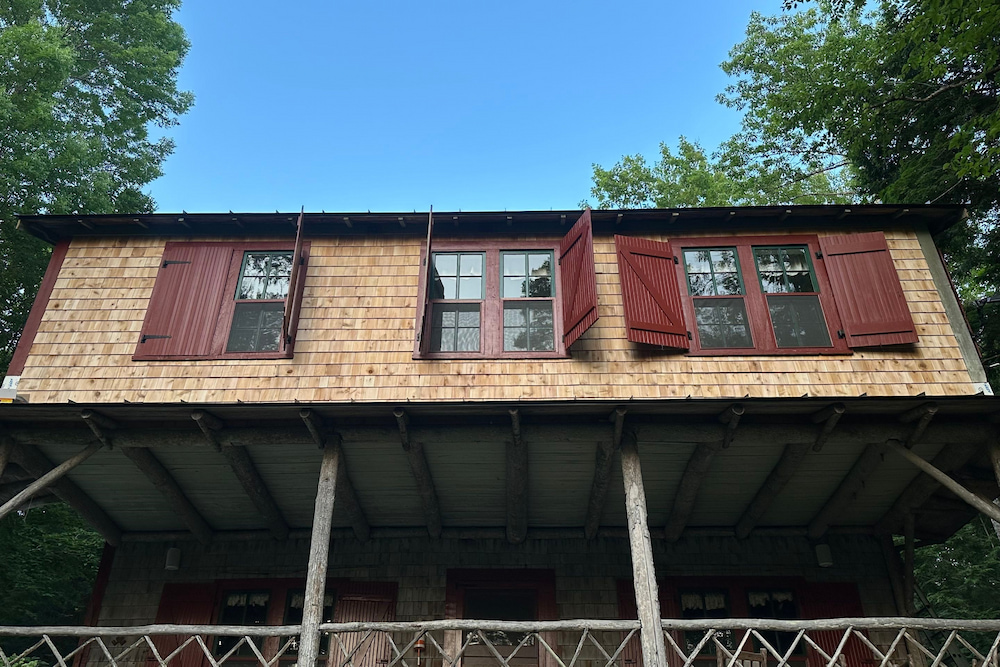
Exterior woodwork does more than give a home a clean, finished look. It helps protect vulnerable edges, rooflines, openings, and siding transitions from weather, moisture, pests, and everyday wear. For homeowners looking into exterior carpentry, knowing the early warning signs can prevent small issues from turning into larger repairs across the home’s exterior.
In Maine, this matters even more. Coastal air, freeze-thaw cycles, wind-driven rain, snow, and summer humidity can all wear down exposed materials over time. A loose trim board or small soft spot may not seem urgent at first, but exterior wood often fails gradually before the damage becomes obvious.
This guide breaks down the clearest signs your exterior woodwork needs attention, what those signs may mean, and when it makes sense to call a professional before the problem spreads.
What exterior woodwork should homeowners watch closely?
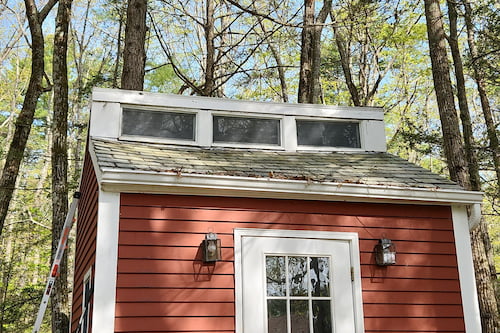 Exterior woodwork includes the visible wood and trim details that finish and protect your home’s exterior. These areas often sit near roof edges, windows, doors, siding seams, porches, and other spots where water can collect or move.
Common areas to inspect include:
- Fascia boards along the roofline
- Soffits under the eaves
- Window and door trim
- Corner boards
- Porch posts and railings
- Exterior siding transitions
- Decorative trim and molding
- Wood around skylights or openings
These parts work together with your roofing, siding, and gutter systems. When they begin to fail, the issue is not always cosmetic. Damaged wood can allow moisture to reach hidden areas and may eventually affect nearby materials.
Why does exterior woodwork fail over time?
Exterior woodwork usually fails because moisture finds a way in. Wood expands and contracts as it absorbs and releases moisture, which is why wood and moisture movement can affect paint,
That is why exterior home maintenance should include more than washing siding or cleaning gutters. It should also include checking exposed boards, seams, joints, and painted wood surfaces before the damage becomes advanced.
What are the top signs your exterior woodwork needs repair?
The most common warning signs are often visible from the ground. You do not need to diagnose the full problem yourself, but you can spot changes that deserve a professional look.
1. Do you see soft, spongy, or crumbling wood?
Soft wood is one of the clearest signs of moisture damage. If a board feels spongy, flakes apart, or gives way when touched, decay may already be active.
This often appears around:
- Fascia boards near gutters
- Lower trim boards close to splashback
- Window and door surrounds
- Porch bases or columns
- Areas beneath roof edges
Soft spots should not be ignored. Once decay begins, paint and caulk cannot solve the underlying issue. You may need exterior wood rot repair to remove damaged material, restore the area, and prevent moisture from continuing to spread.
2. Is paint peeling in the same places again and again?
Peeling paint is not always just a paint problem. If the same section keeps blistering, cracking, or flaking after repainting, moisture may be trapped beneath the surface.
Watch for paint issues around:
- Window sills
- Door trim
- Fascia
- Soffit edges
- Corner boards
- Low siding areas
Paint is meant to help protect wood, but it cannot perform well when the material underneath is damp or deteriorating. Repeated paint failure often means the wood needs repair before another coat is applied.
When is peeling paint a bigger concern?
Peeling paint becomes more concerning when it appears with other signs, such as:
- Dark staining
- Open seams
- Soft wood
- Warped boards
- Musty odor
- Gaps near caulk lines
If several of these are present, the problem may call for more than surface prep. It may be time to evaluate whether trim work repair or replacement is needed.
3. Are fascia boards pulling away or showing damage?
Fascia sits along the roof edge and helps support gutters while protecting the roofline. Because it is close to water runoff, it is especially vulnerable when gutters leak, overflow, or pull away.
Signs of fascia damage include:
- Boards that look wavy or bowed
- Paint peeling along the roofline
- Gutters sagging or separating
- Dark staining near gutter seams
- Visible rot at board ends
- Gaps between fascia and roof edge
When fascia fails, nearby systems can suffer too. Gutters may stop draining correctly, water can reach hidden areas, and roofline edges may become more exposed.
4. Do you need fascia board replacement?
Not every damaged board needs full replacement, but some do. If decay is limited to a small section, repair may be possible. If the board is soft, split, deeply rotted, or no longer holding fasteners securely, fascia board replacement may be the better long-term option.
A professional can inspect the area and determine whether the problem is isolated or connected to gutter issues, roof edge damage, or broader moisture intrusion.
How do soffit problems show up?
Soffits are located under the roof overhang. They help finish the underside of the eaves and can support ventilation when properly designed.
1. Are there stains, holes, or sagging sections?
Damaged soffits may show up as sagging panels, staining, gaps, cracks, or openings. You may also notice birds, insects, or small animals entering through loose areas.
Common warning signs include:
- Brown or gray staining
- Sagging boards or panels
- Peeling paint under eaves
- Visible holes
- Warped edges
- Pest activity near rooflines
These problems should be checked because soffits are close to both attic ventilation and roofline protection. If they fail, moisture and pests may have easier access to areas you cannot see from inside the home.
2. When does soffit damage need professional repair?
Professional repair is usually recommended when damage affects more than the surface. If the soffit is loose, rotted, open, or connected to roofline moisture, it should be inspected carefully.
A good soffit and fascia repair plan should address the cause of the damage, not just the visible surface. That may include checking nearby gutters, roof edges, flashing, ventilation, and trim transitions.
What do cracks, gaps, and warped trim mean?
Trim helps seal and finish edges around windows, doors, corners, and siding transitions. When it cracks, separates, or warps, it may allow water and air to reach vulnerable areas.
1. Are gaps opening around windows or doors?
Gaps around exterior openings can develop as materials age, shift, or absorb moisture. Even small openings can become pathways for water during heavy rain.
Look for:
- Failed caulk lines
- Pulling trim
- Cracks at corners
- Gaps between boards
- Staining below windows
- Drafts near exterior openings
These signs may indicate that the trim is no longer protecting the opening correctly. If moisture has reached the wood underneath, simple recaulk may not be enough.
2. Does the trim look split or warped?
Split or warped trim can make a home look older, but the bigger issue is performance. Warped boards may no longer sit tight against the surface they are meant to protect.
When boards move out of place, water can collect behind them. Over time, that can lead to exterior wood rot repair, siding issues, or hidden damage behind the visible face of the home.
How can siding problems become carpentry problems?
Siding and exterior woodwork often overlap. When siding edges, trim transitions, or wood components fail, water can begin moving behind the exterior surface.
1. Are siding boards loose, cracked, or separating?
Loose siding pieces may point to moisture, failed fasteners, impact damage, or age. If siding moves or separates near trim, corners, or roofline areas, it should be checked before water gets behind it.
Warning signs include:
- Loose boards or panels
- Cracks near seams
- Gaps at trim edges
- Swollen wood
- Dark streaks
- Paint failure near siding joints
Depending on the material and extent of damage, the solution may involve siding repair and replacement, trim repairs, or both.
2. When should siding and trim be repaired together?
Siding and trim should often be evaluated together when damage appears at the edges. These intersections are where water tends to enter first.
A combined repair may be helpful when:
- Trim damage sits directly beside siding damage
- Paint failure appears across multiple materials
- Water stains run from one section to another
- Boards have separated at corners
- Repairs need to match the existing exterior
This is also where planning matters. When siding and trim issues appear together, understanding how exterior details defend against weather can help explain why these repairs matter beyond appearance.
What happens if exterior wood damage is ignored?
Small exterior wood problems can expand quietly. Since much of the damage may be behind boards, trim, or siding, homeowners often notice the visible signs after the issue has already been developing for a while.
1. Moisture can move into hidden areas
Water does not need a large opening to cause damage. A small gap, cracked board, or failed seam can allow repeated moisture exposure over time.
Once moisture moves behind the exterior surface, it can affect:
- Wall sheathing
- Insulation
- Window framing
- Roofline edges
- Attic areas
- Adjacent siding
- Interior finishes
This is why repair timing matters. Addressing exposed wood early can help reduce the chance of more expensive work later.
2. Pests may find an easier entry point
Damaged wood can attract insects, birds, and small animals. Open soffits, soft boards, and gaps around trim may create access points into sheltered areas.
Common concerns include:
- Carpenter ants
- Bees or wasps
- Birds nesting near eaves
- Rodents entering gaps
- Insects moving into softened wood
Pest activity does not always mean the wood caused the problem, but damaged wood can make access easier.
3. Curb appeal can decline quickly
Exterior wood damage affects the way a home looks from the street. Peeling paint, warped trim, stained fascia, and loose boards can make an otherwise well-maintained property appear neglected.
For many homeowners, this is the first visible reason to act. However, the deeper value is protection. A clean exterior usually performs better when the details behind the look are also sound.
How do you know whether to repair or replace exterior woodwork?
The right choice depends on the extent of the damage, the material condition, and whether the cause has been solved.
When does repair usually make sense?
Repair may make sense when:
- Damage is limited to a small area
- The surrounding wood is still solid
- The board can hold fasteners properly
- Moisture has not spread behind the surface
- The repair can be sealed and finished correctly
- The existing material still matches the home well
Targeted repairs can be effective when the issue is caught early. They can also preserve existing details, especially on homes with distinctive trim or older exterior features.
When is replacement the better choice?
Replacement may be better when:
- Wood is soft across a large area
- Trim is badly warped or split
- Fascia no longer supports gutter attachment
- Soffits have holes or repeated pest damage
- Siding sections are loose or failing
- Repairs would only delay the same problem
- The existing material is near the end of its service life
If older details are involved, custom work may be needed to preserve the home’s character. In many cases, matching original exterior features with durable repairs helps balance long-term protection with the home’s existing style.
How should homeowners inspect exterior woodwork?
A simple seasonal walkaround can help homeowners catch problems early. You do not need tools or ladders to notice many of the most important warning signs.
What should you check in spring?
Spring is a good time to look for winter damage. Snow, ice, freezing temperatures, and clogged gutters can all leave marks on exterior woodwork.
Use this checklist:
- Look for peeling paint near roof edges
- Check fascia below gutter runs
- Watch for staining under eaves
- Look for soft or dark wood near the ground
- Check window and door trim for gaps
- Look for loose siding or trim pieces
- Notice any new pest activity
If something looks different from last year, take a photo. Comparing photos over time can help show whether the problem is getting worse.
What should you check in fall?
Fall is a smart time to prepare for winter. Exterior woodwork that is already damaged may struggle more once snow, ice, and freezing rain arrive.
Use this checklist:
- Make sure gutters are draining properly
- Look for open seams near trim
- Check porch posts and railings
- Look for cracked caulk lines
- Watch for sagging soffits
- Check siding transitions
- Note any boards that look warped or loose
If you are not sure whether a section needs repair or full replacement, a professional inspection can help you avoid guessing.
What should a professional exterior carpentry inspection include?
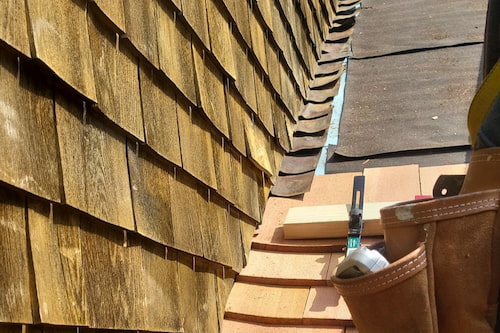 A professional inspection should look beyond the obvious damaged board. The goal is to understand why the damage happened and how to prevent it from returning.
A good inspection may include:
- Checking roofline wood and fascia
- Reviewing soffit condition and ventilation concerns
- Looking at trim around windows and doors
- Evaluating siding transitions
- Checking for moisture patterns
- Looking for pest entry points
- Reviewing gutter alignment and drainage
- Identifying whether repair or replacement makes more sense
If trim is too damaged to restore, the next decision is usually whether to match the existing profile, update the material, or replace a larger section for a cleaner result.
Who offers reliable exterior carpentry in Maine?
Horch Roofing provides exterior carpentry services for homeowners who want practical repairs, clean upgrades, and long-term protection for their homes. Since 2003, our team has served Southern, Midcoast, and Downeast Maine with a strong focus on safety, quality, reliability, and care. We handle soffit and fascia work, siding repairs, trim work, skylight-related details, and other exterior improvements that help protect your home from the outside in.
From homes near Portland Head Light to properties throughout coastal Maine, Horch Roofing brings the same award-winning standards to carpentry that homeowners already trust for roofing and gutter work. If your exterior woodwork is showing signs of rot, peeling paint, loose trim, damaged fascia, or failing siding, contact us today to request your free estimate.