
A Homeowner’s Guide to Exterior Trim Replacement
Exterior trim may not be the flashiest part of your home, but it has one of the most important jobs in protecting it. It covers vulnerable joints around windows, doors, rooflines, and corners while helping keep water away from the materials underneath it. So once a board starts to soften or pull away, well, it’s safe to assume another coat of paint probably won’t save the day.
That is when calling carpentry contractors in South Portland becomes the safest next step. A professional can determine whether the problem stops at one board or continues behind the visible surface. In today’s blog, we’ll cover everything you should know about exterior trim replacement, from why rot deserves attention to what replacement involves and which materials are worth considering, so keep reading to learn more!
When should you replace exterior trim?
Age alone doesn’t determine whether trim needs to come off. Some older boards remain solid, while newer pieces can fail early when water repeatedly reaches the same spot. The condition of the material is what matters.
Warning signs worth taking seriously
Peeling paint may be cosmetic, but if the surface keeps forming bubbles after being repainted, it’s usually an indication of trapped moisture, which can cause serious structural problems. Separation from the wall is another concern, especially if the gap continues to widen.
Other tell-tale signs your exterior trim should be repaired include:
- Crumbling edges
- Dark patches that do not disappear
- Boards that look swollen or distorted
- Cracks that expose bare wood
Fascia near gutters often shows trouble first because it sits close to regular runoff. Window trim can also deteriorate where water collects along lower edges.
When replacement makes more sense than repair
A board doesn’t need to be falling apart before replacement becomes the better option. If deterioration runs through much of the piece, a surface treatment will not restore its strength.
A qualified exterior specialist can determine whether the entire board should be removed. That decision should be based on the condition behind the paint, not just on appearance alone.
How bad is it to have wood rot in your trim?
Even saying “pretty bad” would be an understatement. Wood rot affects way more than the way your trim looks. It completely changes the structure of the wood, leaving the board weaker and unable to stay securely attached.
What can happen behind the visible surface?
Decay doesn’t always announce itself. Instead of simply finding a big hole or two, in most cases, the problem may develop beneath a painted finish, where it remains hidden until the trim begins to shift.
Once the board separates, rain can reach the materials behind it. Depending on the location, that may include sheathing or framing around an opening. And because decay depends on prolonged dampness, keeping exterior wood dry helps reduce the conditions that allow it to continue.
The damage should be assessed promptly rather than left to be watched for another season. Waiting can turn a contained trim issue into work involving a much larger part of the exterior.
How to fix rotted exterior trim?
Rotted trim isn’t a suitable do-it-yourself project. Removal could expose hidden damage, and it’s simply too risky to take on on your own, especially when working near windows or the actual roofing itself, which requires an understanding of how those parts fit together and what the safest way to approach them might be. Instead, you should always opt for calling a professional to take a look and see what they can do.
The cause must be identified
Before replacing the board, the crew needs to find out how it became damaged. Water might be arriving from an overflowing gutter. It may also be entering through a failed joint or an incorrect roofline detail.
This is how exterior carpentry limits damage caused by weather. The work addresses the route water took instead of simply covering the result.
Damaged material is removed professionally
The failed trim is taken off carefully so adjoining materials remain intact. Once the area is open, the crew can determine whether the surface behind it is ready for a new board.
The replacement is measured and cut to suit the opening. It is then fastened according to the material being used. The finishing method should protect the exposed edges while allowing the area to drain as intended.
What does the exterior trim replacement process involve?
Replacement is more organized than pulling off one board and putting up another. Each stage helps the new trim fit properly and avoids creating another weak point.
Assessing the project
The first step is a close review of the affected section. A professional examines where the trim meets nearby materials and checks whether the proposed replacement needs a standard profile or a custom shape. This stage also helps establish the expected scope before removal begins.
Opening the area carefully
Nearby surfaces are protected before the damaged piece comes off. Removing it gives the crew a clear view of what has been happening out of sight. Hidden deterioration could affect the plan. When that occurs, the homeowner should receive a clear explanation before the work continues.
Fitting the new trim
The replacement must match the dimensions of the surrounding boards. A poor fit can leave an awkward seam or interfere with drainage. The installation method depends on the chosen product. Wood trim usually needs a protective coating. Manufactured boards may require spacing that accounts for changes in temperature.
The goal is a secure result that blends with the existing exterior rather than looking like an obvious patch.
How difficult is replacing trim?
Well, it really does depend on a number of factors, but in general, it’s not considered to be a DIY friendly task. The difficulty varies considerably from one location to another. A piece beside a porch is not the same job as fascia several feet above the ground.
Access can change the project
Upper-level trim requires suitable safety equipment and controlled removal. Roof edges add another layer of complexity because flashing or shingles may sit directly beside the damaged board. Those connections should not be disturbed casually. A mistake can create a new opening where none existed before.
Original details can be hard to match
Older properties may have trim with unusual dimensions or decorative edges. Standard boards from a supplier may not reproduce those details closely enough. That’s exactly why custom trim is better for old houses and properties. A made-to-fit piece can preserve the original proportions and look while replacing material that is no longer sound.
What is the best material for exterior trim?
The right material depends on where the trim will be installed and how closely it needs to match the rest of the home. Maintenance preferences also play a role.
Wood
Wood is often the most natural choice when the existing exterior includes detailed profiles. It can be cut to specific dimensions and painted to match nearby surfaces. It needs dependable finishing. Unprotected ends can absorb water, so preparation and installation have a major effect on performance.
Cellular PVC
PVC is not vulnerable to rot, making it useful in locations that receive regular runoff. It can also be painted when a particular color is needed. The material expands and contracts with temperature changes. An installer must account for that movement to prevent visible gaps or buckling.
Engineered trim
Engineered products offer a wood-like appearance with added resistance to moisture. Requirements vary between manufacturers, and not every product is intended for every application.
The best decision is one made after the affected area has been inspected. Appearance matters, but the selected material also needs to suit the conditions where it will be installed.
Where can I find trusted carpentry contractors in South Portland, ME?
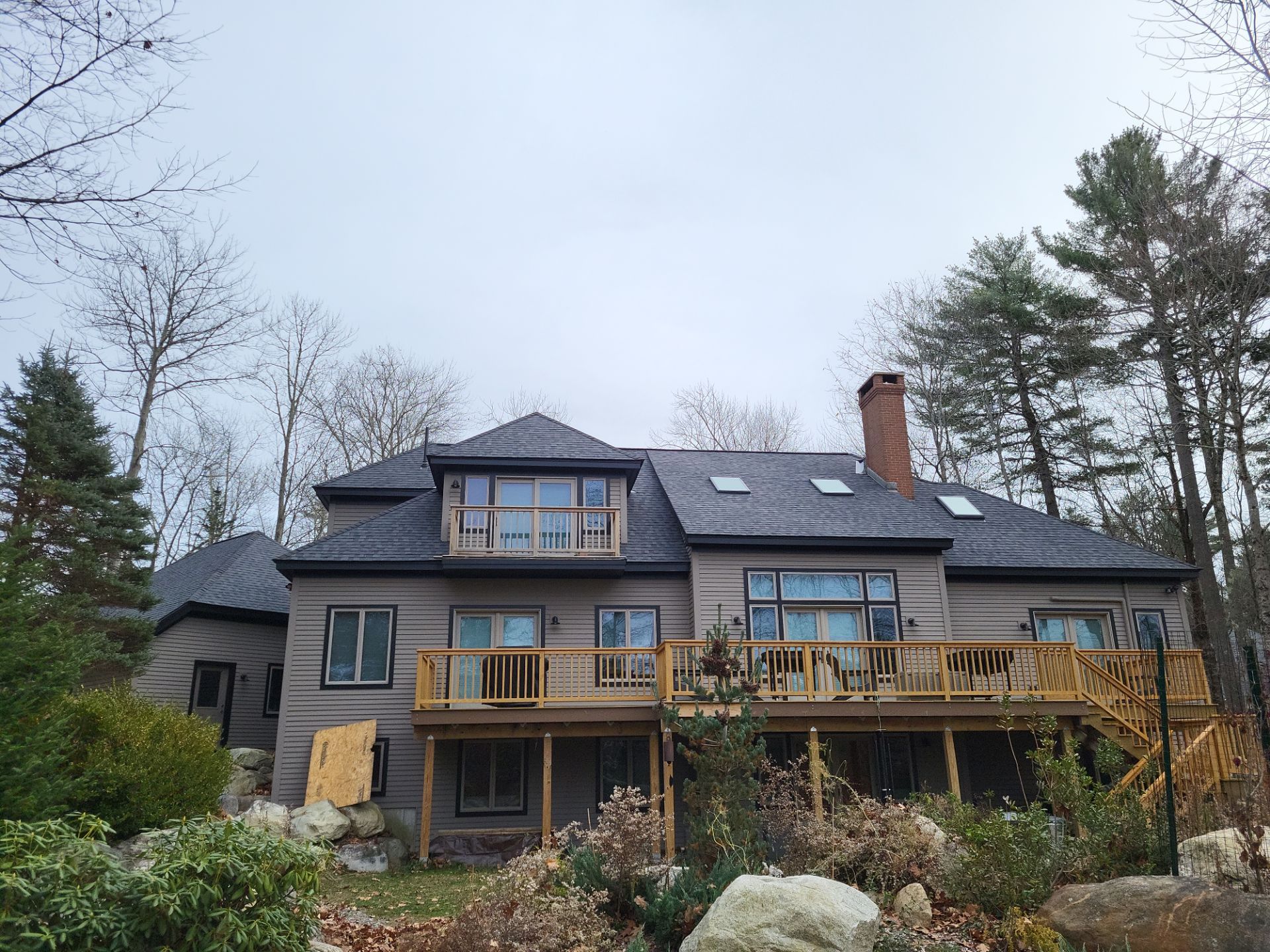
Good news, you can officially call off the search. At Horch Roofing, we handle the odd corners and hard-to-match details that homes tend to throw our way. Our exterior services cover trim, siding, soffits and fascia, along with windows, doors, skylights, and decks. We also install asphalt, metal, and EPDM roofing, and we take care of seamless gutters and repair work.
If your home near Bug Light Park needs attention in more than one area, you will not have to juggle several contractors. Reach out for a free estimate, and let’s get your exterior back in shape without turning the project into a bigger headache.