
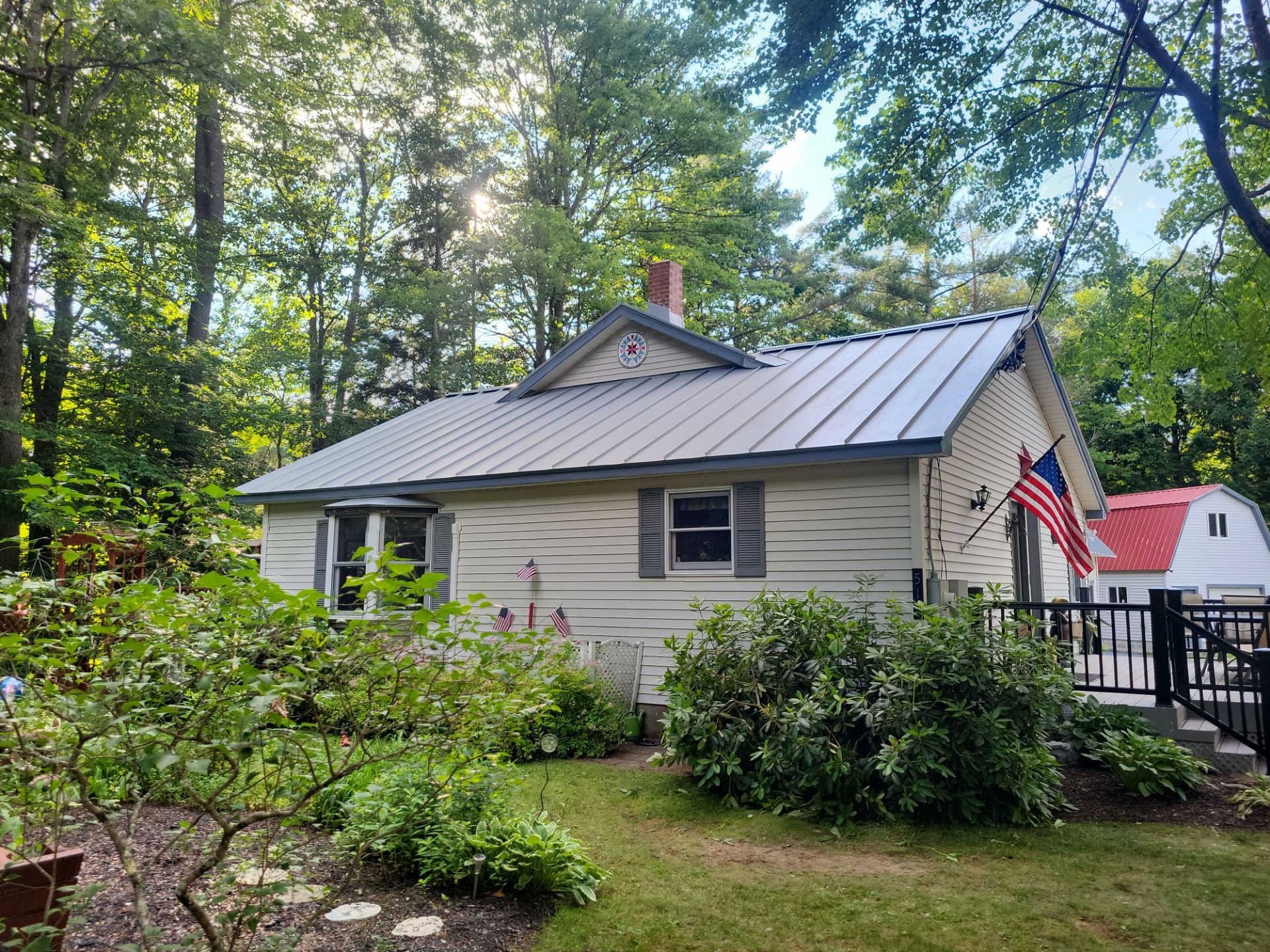
Most homeowners who call roofing companies in Ellsworth already know to ask about shingles, panels, gutters, or repairs. The roofline edges usually come up later, even though soffits, fascia boards, and trim help shape how the home handles airflow, drainage, moisture exposure, and everyday curb appeal.
These parts often get attention only after paint starts peeling, gutters loosen, or moisture stains appear beneath the edge. To better understand how every part of the system supports the rest, let’s look at what these components do and why they matter. Read on to learn how soffit, fascia, and trim work together around your home.
Are soffit and fascia necessary?
Soffit and fascia aren’t required on every home, but they do play an important role in protecting the roofline and helping the exterior handle airflow, drainage, and moisture more effectively over time. Most homeowners don’t think much about those areas until something starts sagging, warping, or letting moisture in, yet these components quietly support several parts of the exterior system at once. Without them, the roof edge usually becomes more exposed to weather, pests, and gradual deterioration.
Soffits
Soffits sit beneath the roof overhang and close off the underside of the eaves. In many homes, they also contain intake vents that pull fresh air into the attic. That airflow helps regulate heat and humidity while keeping the roofline better protected from debris, insects, and wind-driven rain. Homes with open eaves can still function perfectly well, but they usually leave more of the structure exposed to the elements year-round.
Why soffits are beneficial
Good soffit ventilation helps attic spaces stay cooler in summer and drier in winter, which reduces moisture buildup around insulation, decking, and the roof underlayment beneath the shingles while helping the entire system perform more consistently.
At the same time, soffits close vulnerable gaps beneath the overhang instead of leaving framing exposed to weather, debris, and nesting animals. In coastal Maine especially, where homes deal with humidity, snow, and repeated freeze-thaw cycles throughout the year, that added protection becomes much more noticeable over time.
Fascia
Fascia boards run along the outer edge of the roofline, right where gutters attach to the house. They help create a cleaner finished edge visually, but they also support much of the gutter system’s weight during storms and snowmelt. Because fascia sits directly along the perimeter of the home, it deals with constant exposure to moisture, runoff, and changing temperatures throughout the year.
What fascia does
Fascia protects the exposed ends of rafters and roof decking while helping stabilize the gutter system along the roof edge. Even if you choose the correct gutters for your home, weakened fascia can still allow them to sag or pull away from the house. Over time, that can let water spill behind the gutters and spread deterioration farther across the roofline. Modern fascia systems also help the exterior look straighter, cleaner, and more maintained overall.
Why do some houses not have soffits?
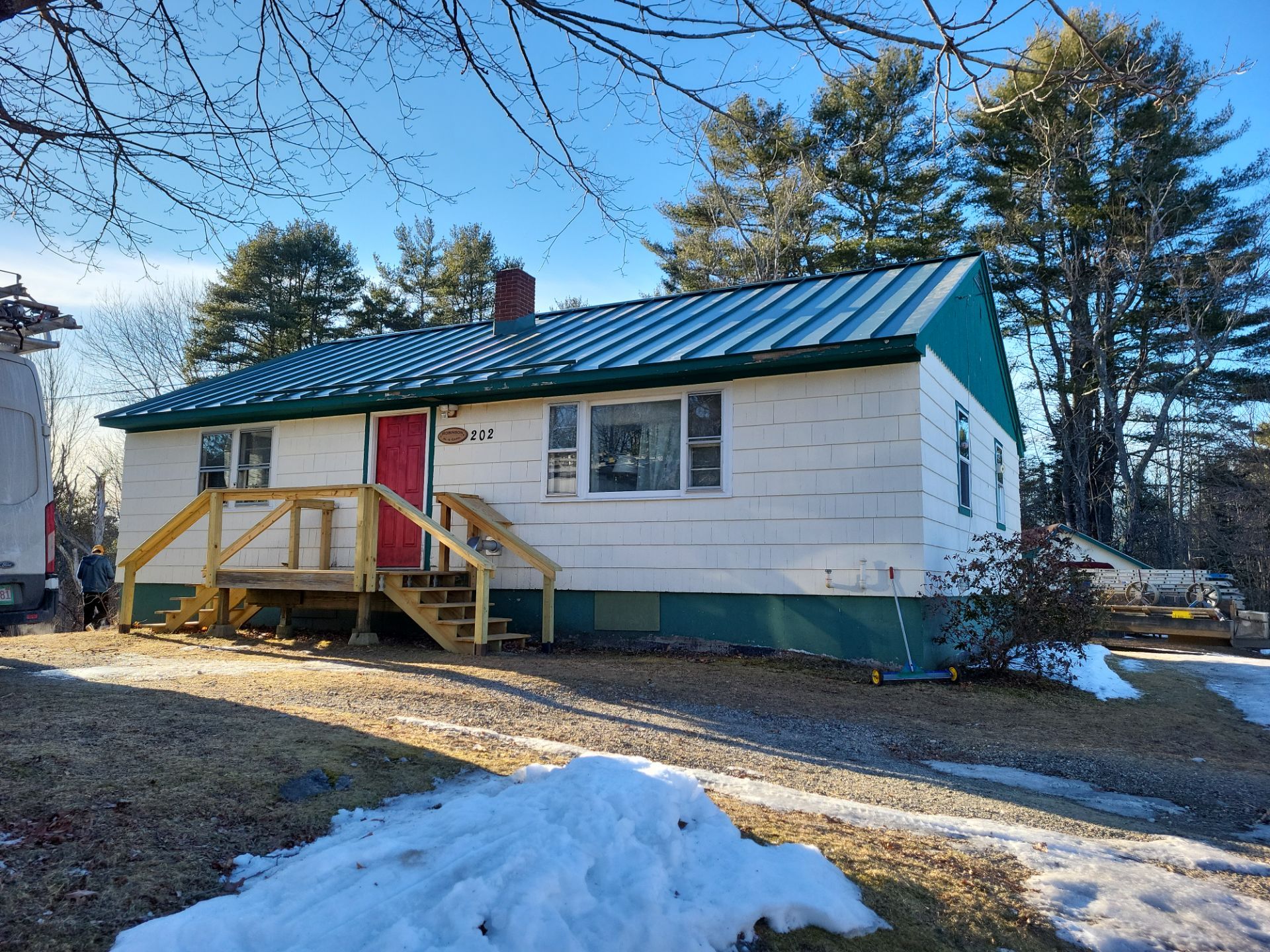
Some homes simply weren’t designed with enclosed soffits in the first place. Older houses, open-eave designs, and certain architectural styles often rely on exposed roof edges or alternative ventilation layouts instead. That doesn’t automatically mean something is wrong with the home, but it does change how the roofline handles airflow, moisture, and long-term maintenance.
Common reasons include:
- Open-eave designs: Some homes intentionally leave the underside of the roof edge exposed.
- Exposed rafters: Decorative rafter tails may be part of the architectural style.
- Minimal overhangs: Shallow rooflines sometimes don’t leave enough room for traditional soffits.
- Older construction methods: Some homes were built before modern attic ventilation became standard.
- Gable and roof vents: Airflow may come from vents placed elsewhere in the attic system.
- Architectural preferences: Certain styles favor simpler, more exposed roof edges.
- Alternative ventilation layouts: Intake and exhaust systems may function without soffit vents altogether.
Even so, homes without soffits often require more maintenance because the framing near the roof edge stays more exposed to moisture, insects, debris, and fluctuating temperatures. Ventilation can also become harder to balance consistently once insulation and airflow demands change over the years.
Why soffits are still usually worth considering
Even when older homes didn’t originally include soffits, many homeowners eventually add them during larger exterior renovations because modern systems generally handle airflow and moisture more effectively. Proper soffits help close vulnerable gaps around the eaves while creating cleaner transitions between siding, gutters, and the roofline itself.
They also reduce long-term maintenance. Enclosed soffits help limit pest intrusion, shield exposed framing from repeated weather exposure, and support more balanced attic ventilation throughout the year. In climates like coastal Maine, where exterior systems face constant seasonal stress, those benefits add up quickly.
Do new soffits, fascia and trim increase home value?
New soffits, fascia, and trim usually won’t raise property value the same way a major remodel might, but they absolutely influence how buyers judge the condition of a home. Wear around the roofline tends to stand out quickly because those edges frame the entire exterior. Peeling paint, sagging gutters, or warped trim can make the home feel older or less maintained, even when the rest of the property looks fine.
Why they capture buyers’ attention
Clean roof edges and properly finished trim help the exterior feel sharper and more cohesive overall. Buyers may not specifically look for new soffits or fascia, but they do notice when those areas appear neglected. Small details around the eaves often shape first impressions more than homeowners realize.
Why their value is practical, not just visual
Just as choosing the right downspouts for your home affects both appearance and drainage, roofline details bring value through protection as much as curb appeal. Proper soffits help ventilation, fascia supports gutters, and trim shields vulnerable roofline transitions from repeated weather exposure. Updated materials can also lower maintenance demands over time while giving buyers more confidence that the exterior has been cared for consistently.
Who’s the go-to among roofing companies in Ellsworth?
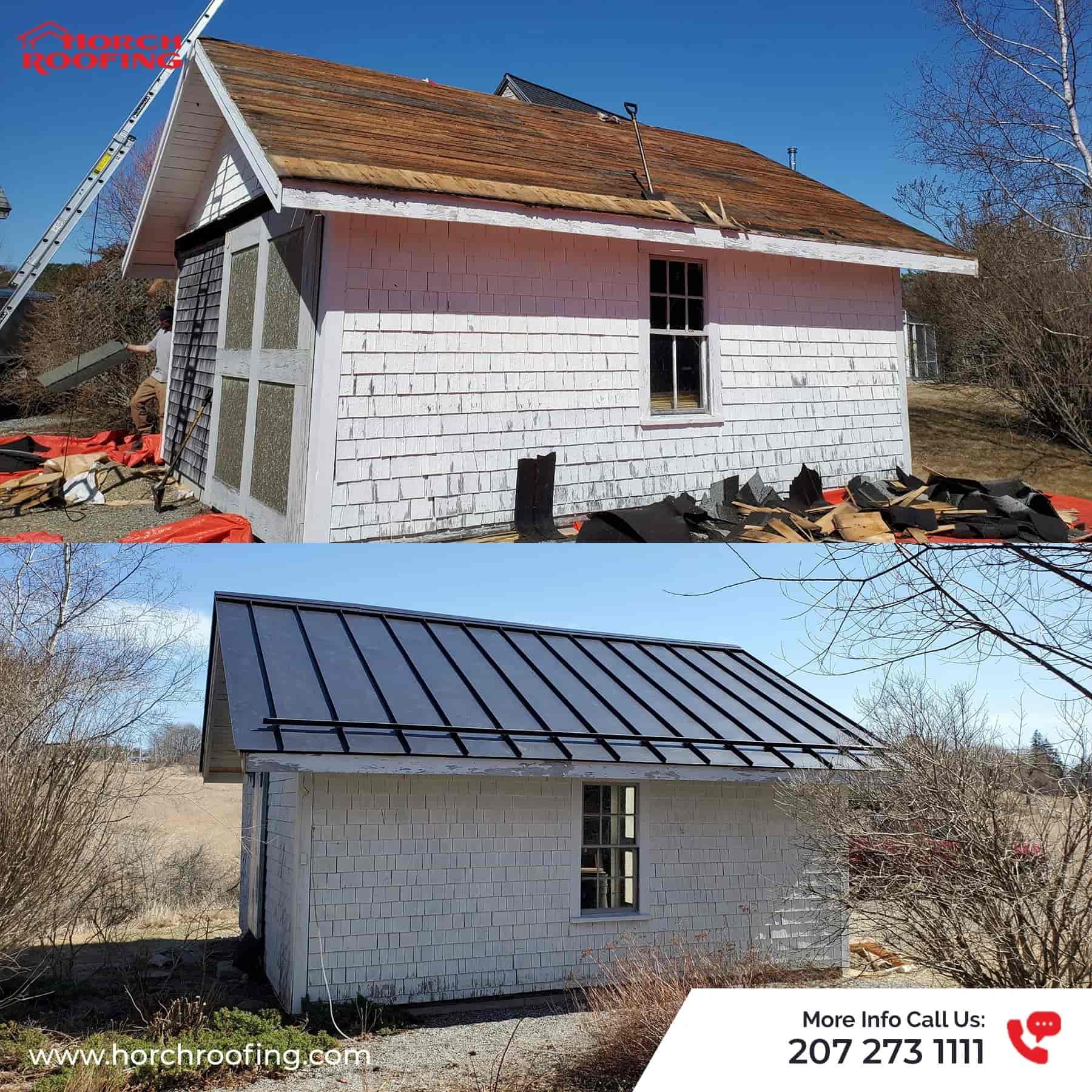
At Horch Roofing, we know that long-term exterior protection depends on more than shingles alone. Since 2003, we’ve helped Maine homeowners maintain stronger, better-protected homes with high-quality components, seamless gutters, and complete roof installations built for demanding coastal weather.
You can count on our team for asphalt shingles, standing-seam metal, and EPDM rubber roofing, seamless gutters, and dependable repair and dispatch services when problems need immediate attention.
From homes near Knowlton Park to properties throughout Ellsworth and beyond, we bring careful workmanship, durable materials, and practical guidance to every project. Reach out today to schedule your free estimate.