
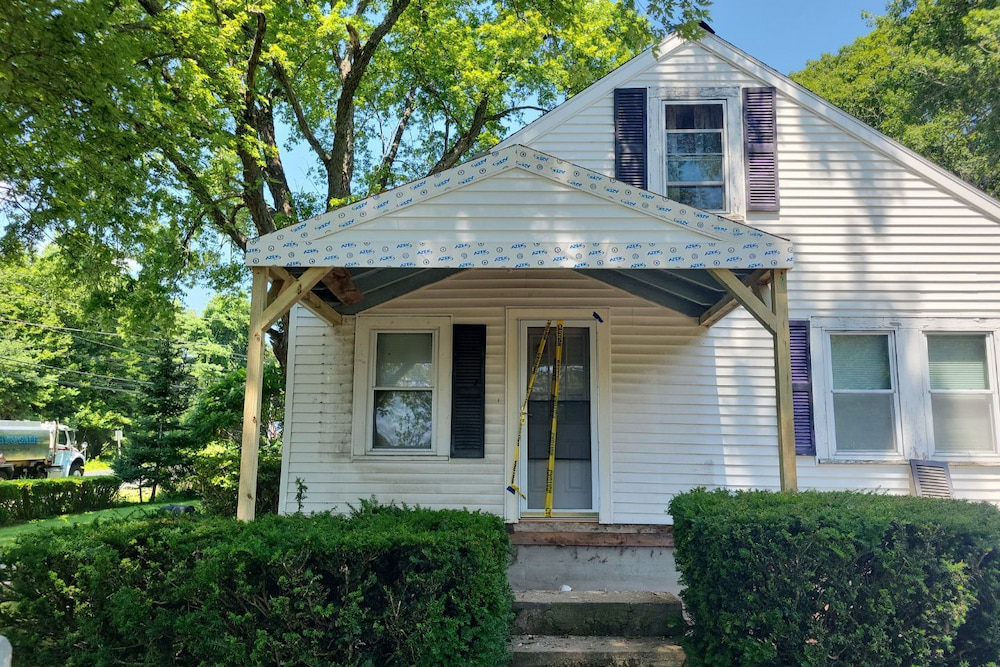
Weather does not usually damage a home all at once. It works through small openings, weakened trim, soft wood, loose siding edges, and unprotected roofline details until a minor issue becomes a larger repair. For homeowners looking into exterior carpentry services in South Portland, understanding how exterior woodwork protects the home can make it easier to spot problems early and plan repairs before water, wind, and pests reach hidden areas.
In coastal Maine, exterior materials have a hard job. Salt air, heavy rain, snow, ice, freeze-thaw cycles, and summer humidity all test the edges of a home year after year. Roofing and gutters do a lot of the work, but trim, fascia, soffits, siding transitions, and other carpentry details help close the gaps that weather tries to find.
What does exterior carpentry protect?
 Exterior carpentry protects the vulnerable areas where different parts of a home meet, supporting the broader weather-resistant exterior envelope that helps keep wind and water outside.
Common protective carpentry areas include:
- Fascia boards along the roofline
- Soffits under the eaves
- Trim around windows and doors
- Corner boards
- Siding transitions
- Porch posts and railings
- Skylight surrounds
- Wood details near roof edges and gutters
When these areas are solid, sealed, and properly finished, they help the whole exterior perform better. When they fail, the home can become more exposed than it looks from the street.
Why are exterior edges so vulnerable?
Exterior edges are vulnerable because they receive constant exposure. Rain runs down walls, wind pushes water into seams, snow collects near rooflines, and gutters direct large amounts of water past fascia boards.
Over time, even small openings can allow moisture to reach the wood beneath paint or siding. That is why moisture damage prevention starts with keeping trim, joints, and roofline details in good condition.
How does exterior carpentry help prevent water damage?
Exterior carpentry helps control where water goes and where it cannot go. It supports the protective layers that keep moisture outside instead of letting it move behind the home’s exterior.
1. How does trim help seal openings?
Trim around windows and doors covers vulnerable joints where openings meet siding. When installed and maintained correctly, it helps protect the edges from wind-driven rain and moisture intrusion.
Trim can also support the finished look of the home. However, its protective role matters just as much as its appearance.
Warning signs that trim may no longer be protecting the home include:
- Cracked caulk lines
- Pulling boards
- Soft wood
- Peeling paint
- Staining beneath windows
- Gaps between trim and siding
If these signs appear, siding and trim repair may be needed before water reaches deeper materials.
2. How do fascia boards protect the roofline?
Fascia boards sit along the edge of the roof and help protect the area where the roof, gutters, and exterior walls meet. They also provide support for gutter attachment.
When fascia is damaged, gutters may sag, water may overflow, and the roof edge may become more exposed. Since fascia sits directly in the path of runoff, it should be checked regularly.
Common fascia issues include:
- Rot near gutter seams
- Bowing or pulling boards
- Peeling paint along the roof edge
- Dark water stains
- Loose gutter fasteners
- Soft board ends
These problems can lead to larger roofline concerns if ignored, especially when homeowners miss early warning signs around exterior woodwork.
3. Why do soffits matter during storms?
Soffits help finish the underside of roof overhangs and may support attic ventilation depending on the home’s design. They also help keep pests and weather from reaching the underside of the roofline.
During storms, wind can push rain into exposed gaps or loose soffit sections. If the soffit is cracked, sagging, or open, moisture and pests may have an easier path into sheltered areas.
A strong soffit and fascia protection plan should look at both pieces together. Since they sit beside each other, damage in one area often affects the other.
How does exterior carpentry protect against wind?
Wind can lift, loosen, and pull at exterior components over time. Even when wind does not cause obvious damage, it can gradually weaken boards, seams, and fasteners.
1. What happens when trim starts pulling away?
When trim pulls away from the home, wind and water can get behind it. Once that happens, every storm can push more moisture into the gap.
Loose trim may also move slightly during high winds. That movement can worsen gaps, damage paint, and weaken fasteners.
Homeowners should watch for:
- Trim that no longer sits flat
- Nails backing out
- Gaps at corners
- Rattling or movement during storms
- Loose window or door surrounds
If the problem is caught early, repair may be straightforward. If the wood has warped or softened, replacement may be the better option.
2. Can siding edges become weak points?
Yes, siding edges can become weak points when trim, corner boards, or fasteners are failing. Wind can push water into these openings or loosen already weakened materials.
This is especially common where siding meets:
- Windows
- Doors
- Rooflines
- Corners
- Porches
- Deck connections
- Utility penetrations
Good exterior carpentry helps reinforce these transitions. It also helps the siding look clean and perform as part of a complete weather barrier.
How does exterior carpentry help prevent rot?
Rot usually begins when wood stays damp too long. Exterior carpentry helps prevent rot by keeping water away from vulnerable wood and replacing damaged materials before decay spreads.
1. Why does wood rot start in hidden places?
Wood rot often starts behind paint, trim, or siding because those areas may stay damp without being visible. By the time the surface looks soft, stained, or crumbly, the problem may have been developing for months or longer.
The relationship between wood and moisture is well documented, and even basic information about how wood responds to moisture helps explain why exterior details need ongoing protection. When wood repeatedly absorbs water and cannot dry properly, exterior wood rot prevention becomes much harder.
2. What areas are most likely to rot first?
Rot often appears where water collects, drains, or becomes trapped.
High-risk areas include:
- Fascia behind clogged gutters
- Trim below window sills
- Lower door frames
- Porch post bases
- Corner boards near the ground
- Siding edges near roof intersections
- Soffits near leaks or poor ventilation
These areas should be part of routine coastal Maine home maintenance, especially before and after winter.
3. How can repairs stop rot from spreading?
Repairs stop rot from spreading by removing damaged material, correcting the source of moisture, and restoring the protective exterior layer.
A good repair may include:
- Removing softened or decayed wood
- Replacing damaged trim or fascia
- Correcting drainage or gutter issues
- Sealing joints properly
- Matching existing exterior details
- Painting or finishing exposed surfaces
- Checking nearby materials for hidden damage
The goal is not only to make the area look better. The goal is to help the home shed water and resist damage again.
How does exterior carpentry support roofing and gutters?
Exterior carpentry often works directly with roofing and gutter systems. Roof edges, fascia, soffits, and trim all help the home manage water from above.
1. Why does the roofline need carpentry support?
The roofline is one of the most exposed parts of the home. Rain, snow, ice, and wind all move across this area.
Fascia, soffits, and related trim help finish and protect the edges. If these components are damaged, the roofing and gutter systems may not perform as well.
This is why exterior repairs should not be treated as isolated cosmetic work. A damaged board near the roofline can affect drainage, ventilation, pests, and future repairs.
2. How do gutters affect exterior woodwork?
Gutters move roof runoff away from the home. When they clog, sag, leak, or overflow, exterior woodwork may absorb more moisture than it should.
This can affect:
- Fascia boards
- Soffits
- Siding below roof edges
- Trim near downspouts
- Porch woodwork
- Foundation-adjacent exterior details
If water damage keeps returning near a roof edge, the repair plan should include both the woodwork and the drainage source.
3. When should carpentry and roofing be coordinated?
Carpentry and roofing should be coordinated when damage appears near the roofline, gutters, skylights, or flashing areas.
A coordinated approach can help when:
- Fascia is rotted behind gutters
- Soffits show staining or sagging
- Skylight trim is damaged
- Roof edges need repair
- Siding meets a roof intersection
- Water stains appear below eaves
This kind of planning can help avoid repeated repairs. It can also make the finished exterior look cleaner and perform better.
What exterior carpentry materials hold up best?
The right material depends on the home, the exposure, the budget, and the desired look. Some homeowners want to preserve traditional wood details, while others prefer lower-maintenance products.
1. When does wood still make sense?
Wood can still be a strong choice when it is properly selected, installed, sealed, and maintained. It is especially useful for older homes, custom details, and areas where matching the original character matters.
Wood may be preferred for:
- Historic trim profiles
- Porch details
- Decorative brackets
- Custom moldings
- Traditional homes
- Visible architectural elements
Older homes often have trim profiles, porch details, or roofline elements that do not match standard replacement pieces. In those cases, matching the original exterior details with a more durable repair can help preserve the home’s character while still solving the damage.
2. When are lower-maintenance materials useful?
Lower-maintenance materials may be useful in highly exposed locations. These products can reduce repainting needs and may provide better resistance against moisture or insects.
They may be considered for:
- Fascia
- Window trim
- Door surrounds
- Corner boards
- Certain siding transitions
- Areas near heavy runoff
The best choice depends on how the material will be used and how it fits the rest of the exterior.
3. What role does weather-resistant trim play?
Weather-resistant exterior trim helps protect exposed transitions while maintaining a clean appearance. It can be especially valuable in coastal climates where moisture, wind, and salt air put added stress on exterior surfaces.
The goal is to choose materials that can handle the location, then install them with careful attention to joints, drainage, and finishing.
How can homeowners keep exterior carpentry working longer?
Exterior carpentry lasts longer when homeowners notice small problems early and keep moisture from sitting where it should not.
What should homeowners check after heavy storms?
After heavy rain, wind, or snow, look for:
- New peeling paint
- Fresh stains under eaves
- Gutter overflow marks
- Loose trim
- Sagging soffits
- Open joints
- Cracked caulk
- Soft-looking boards
- Debris piled against siding
You do not need to climb on the roof. Many early signs can be spotted from the ground or from safe areas around the home.
What seasonal habits help protect exterior woodwork?
Simple habits can help reduce wear:
- Clean gutters before heavy rain seasons
- Keep shrubs trimmed back from siding
- Watch for splashback near lower trim
- Repaint or reseal exposed wood when needed
- Address loose boards quickly
- Schedule inspections after severe weather
- Keep photos of areas that may be changing
These habits are part of practical coastal Maine home maintenance because they help the home prepare for seasonal changes.
When should you call a professional?
Call a professional when wood feels soft, boards are pulling away, soffits are open, fascia is stained, siding is loose, or damage keeps returning after surface repairs.
What should a professional inspection include?
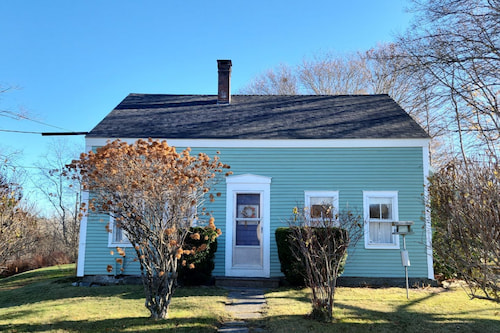 A professional inspection should look at the damaged area and the conditions around it.
That may include:
- Roofline edges
- Fascia and soffits
- Gutter attachment points
- Siding transitions
- Window and door trim
- Skylight surrounds
- Drainage patterns
- Visible rot or staining
- Paint and caulk failure
- Nearby materials that may also be affected
If repair is not enough, knowing what a proper trim replacement involves can make the next step easier to understand.
Who provides trusted exterior carpentry services in South Portland?
Horch Roofing provides carpentry services for homeowners who want their homes protected from Maine’s demanding weather. Since 2003, our team has served Southern, Midcoast, and Downeast Maine with a focus on safety, quality, reliability, and care. We handle soffit and fascia repairs, siding and trim work, skylight-related details, and exterior repairs that support the performance of the whole home.
From homes near Bug Light Park to properties throughout South Portland and coastal Maine, Horch Roofing brings practical experience, clean workmanship, and durable solutions to every project. If your exterior woodwork is showing signs of moisture damage, loose trim, peeling paint, damaged fascia, or worn siding, contact us today to request your free estimate!