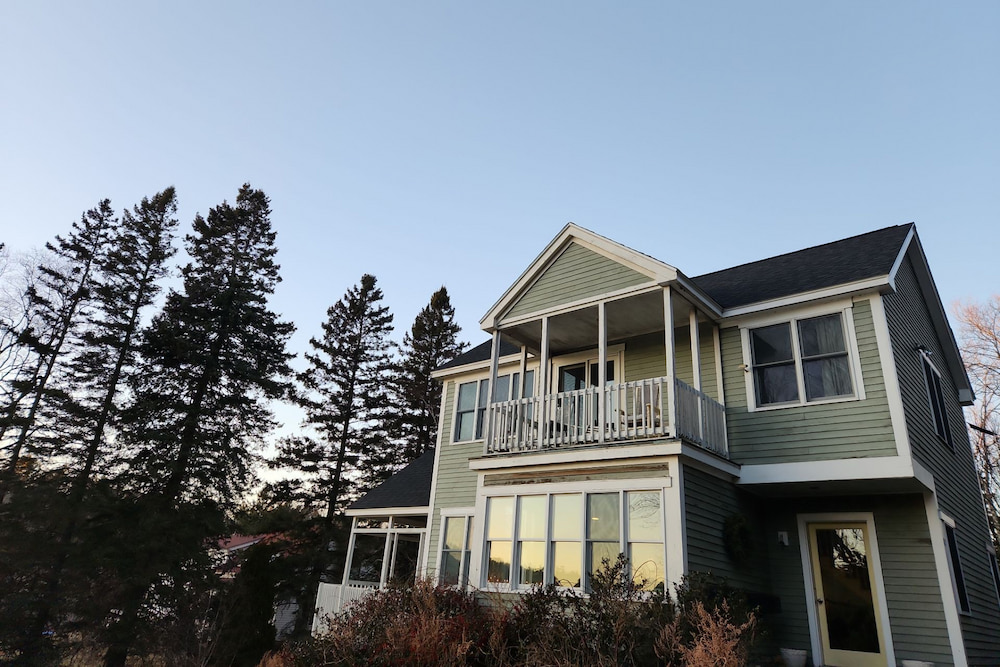
You might know that something is wrong with your home’s exterior without knowing exactly what needs fixing. Perhaps a few panels have shifted, or you’ve noticed moisture near a window after heavy rain. Even when the problem seems minor, it’s difficult to judge how far the damage extends from the ground.
An inspection determines the condition of your existing siding and whether anything beneath it needs attention. If you’re considering siding repair in South Portland, we’ll explain what we look for during an assessment so you know what to expect before any work begins.
In today’s post, we’ll walk you through how we assess visible siding damage, identify potential underlying problems, and determine whether further investigation is needed.
What does a professional siding inspection include?
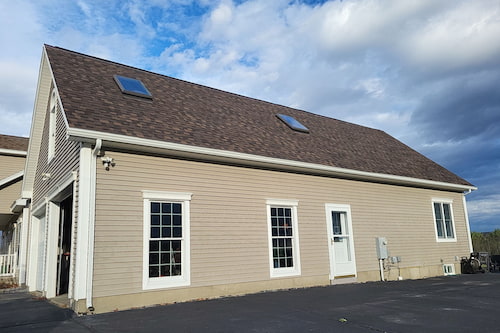 An inspection typically involves reviewing the condition of the exterior covering, checking areas where water could enter, and assessing whether components remain properly attached. The exact scope depends on the material used and any problems the homeowner has reported.
Examining the exterior materials
We begin by checking the existing siding panels for physical damage, deterioration, and sections that have shifted out of place. Our team also considers whether the problems are isolated or appear across a larger area.
Common areas of attention include:
- Panel surfaces: Cracks, warping, or other material deterioration.
- Attachment points: Loose sections that may no longer be properly secured.
- Trim connections: Gaps around windows, doors, and adjoining materials.
- Lower wall areas: Damage near the foundation or places exposed to runoff.
- Previous repairs: Sections that may have deteriorated since earlier work was completed.
Damage limited to one panel may call for a targeted replacement. Similar defects across an entire wall can indicate a broader problem that requires further examination. We also look at patterns of cracking, warping, or loose panels to determine whether weather exposure or installation issues may have contributed to the damage.
Assessing the surrounding wall components
Our roofers may also examine trim and accessible areas around windows and doors to check for potential moisture problems. These locations deserve attention because water can enter through damaged joints or inadequate flashing.
Connections around openings
Windows and doors have details designed to help direct moisture away from the underlying wall. When these components deteriorate, water may reach areas that aren’t visible from outside.
The weather-resistant barrier behind exterior cladding helps manage moisture that passes behind the outer covering. Its condition becomes particularly relevant when there are signs of water intrusion. Visible staining or deteriorated trim may give the contractor reason to examine a connection more closely.
How do contractors check for siding damage?
Contractors generally begin with a visual assessment, then examine particular areas more closely when they find signs of movement or deterioration. They may also ask when the problem first appeared and whether the homeowner noticed changes after storms.
Checking the condition and fit of panels
An inspector examines whether panels remain aligned and properly secured. Gaps, uneven positioning, or sections that move excessively can suggest attachment problems.
The contractor also checks the fastening method and installation requirements for the material already on the house. Vinyl, wood, and fiber cement products have different characteristics that affect how damage should be evaluated.
Investigating suspected damage
When a panel appears loose or damaged, the contractor may examine its accessible edges and connections to determine whether the problem involves the material or its installation.
An isolated defect might be addressed by replacing the affected piece. If several nearby panels show similar problems, further examination may be necessary. Any removal of materials needed for closer investigation should be discussed with the homeowner before the work proceeds.
Documenting the findings
Once we’ve examined your home’s exterior, we’ll explain what needs attention and recommend appropriate repairs or replacement options. For a localized problem, this may involve replacing individual panels. Keep in mind that more extensive deterioration can require work across a larger section of the wall.
Material availability also matters. Finding vinyl siding that matches existing panels can be difficult when the original product is no longer manufactured or has changed color after years of weather exposure. This may influence which replacement options are practical. A written proposal can outline the recommended work and materials, giving the homeowner an opportunity to review the scope before proceeding.
Can siding look fine but have hidden damage?
Yes. Exterior panels can remain relatively intact even when moisture has reached the materials behind them. Water can enter through damaged flashing or poorly protected connections that aren’t obvious from a distance. Problems may develop around windows and doors while the adjacent panels remain in good condition.
Why surface condition doesn’t tell the whole story
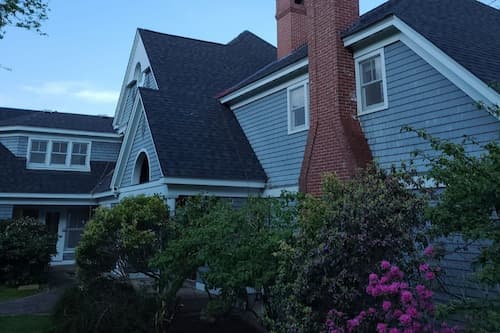
Siding forms part of a larger wall assembly. Beneath the exterior covering are components designed to manage moisture and protect the structure. If water repeatedly enters and cannot drain or dry adequately, the underlying materials can deteriorate without immediate changes to the outer surface.
Signs that warrant further investigation
Unexplained interior stains, recurring dampness, or softened exterior trim may indicate that moisture has reached concealed areas. These symptoms can have several causes, so the contractor needs to investigate before confirming hidden damage.
For example, staining below a window could originate from a problem with the window installation or an adjacent wall connection. Examining the surrounding area helps narrow down the possible source.
When further investigation is necessary
A standard visual inspection cannot establish the condition of every concealed component. If we find signs of damage behind the siding, we may recommend further investigation before determining the full scope of repairs. This could involve removing selected materials to inspect the underlying wall, depending on the circumstances and agreed scope.
We will then explain whether the panels alone need replacing or the underlying wall also needs repairs. Identifying these conditions before the main project begins helps establish the expected scope. However, additional deterioration may still become apparent once the affected materials are removed.
If we discover loose panels or exposed wall materials during an inspection, we’ll explain which siding issues require immediate attention and why those repairs should take priority.
Where can I arrange expert siding repair near me in South Portland?
At Horch Roofing, we provide siding repair and replacement services for homeowners throughout South Portland and the surrounding area. Our team can examine your existing siding, identify areas of concern, and recommend work based on the condition of the materials.
We offer targeted repairs and more extensive replacement options when necessary. During your consultation, we’ll discuss the problems identified and explain the proposed work so you understand what your property requires.
Whether your home is near Spring Point Ledge Light or another part of South Portland, we’re ready to evaluate its condition. Contact us today to arrange a consultation and discuss the next steps for your exterior.