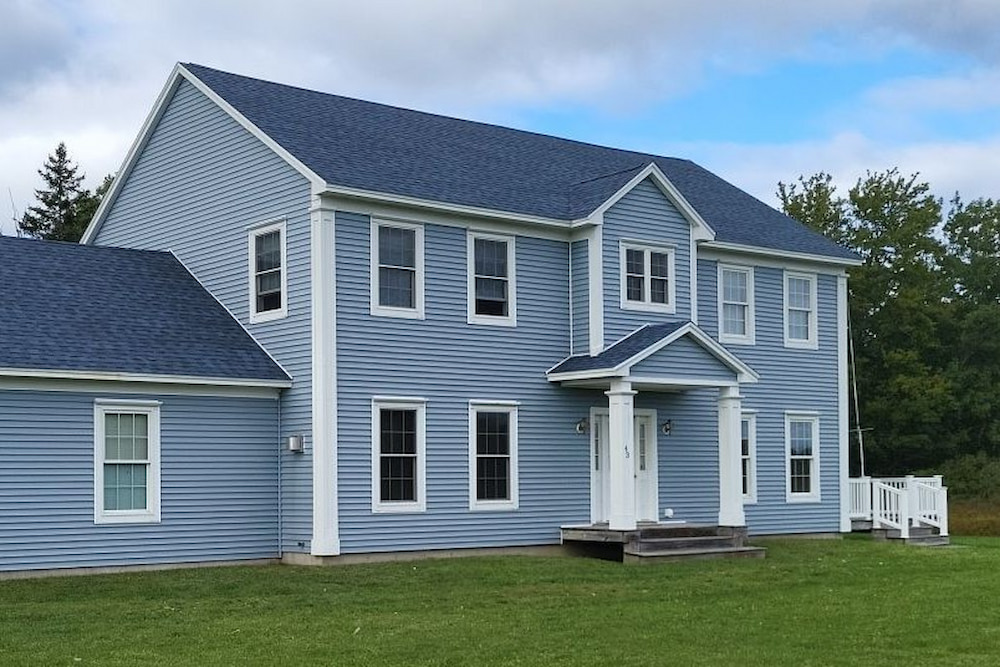
A crack in one panel might seem minor, especially when the rest of your home’s exterior appears undamaged. But how do you know whether that crack needs attention now or can wait until your next maintenance appointment?
In Maine, repeated temperature changes and exposure to wind-driven rain can gradually affect exterior cladding. Strong winds can loosen panels, and existing openings may allow water to reach the protective materials underneath.
Knowing when to arrange siding repair is particularly important when a damaged section leaves the wall beneath it exposed. Let’s take a look at siding problems that need immediate attention and how our team determines whether repair or replacement is the right solution.
What are the warning signs of damaged house siding?
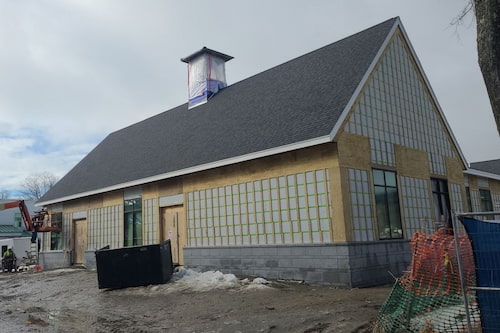 Common warning signs include cracked or missing panels, loose sections, warping, and deterioration around exterior openings. These problems can compromise the protection provided to the wall underneath.
Cracks, gaps & loose panels
Visible openings deserve attention because they can allow wind-driven rain to reach the protective layers behind the exterior covering. Vinyl panels may also become displaced when their fastening system fails, or strong winds pull them away from the wall. Wind can pull an already loose panel farther from its attachments or dislodge it entirely.
Several conditions are worth having assessed:
- Cracked panels: Splits or fractures that affect the material’s integrity.
- Loose sections: Panels that move excessively or have pulled away from their attachments.
- Missing pieces: Open areas where exterior materials have become detached.
- Warping or buckling: Sections that no longer sit properly against the wall.
- Damaged joints: Gaps around trim or other transitions that may admit moisture.
Weather exposure and improper installation are among the factors that can cause vinyl siding to crack or become loose over time.
Moisture-related warning signs
Discoloration, softened wood trim, or recurring dampness near an exterior wall can suggest that water is reaching areas that should remain protected. These symptoms deserve closer attention when they occur near damaged panels.
Exterior cladding works together with the wall’s underlying moisture-control components. Proper water management behind exterior siding helps direct moisture away from vulnerable building materials. If those protective components are compromised, water can reach the sheathing and contribute to deterioration over time.
When we assess damaged siding, we look for signs that the problem extends beyond the visible panels and may have affected the underlying wall.
How serious is cracked siding?
The seriousness depends on the crack’s size, location, and whether the surrounding materials remain properly secured. A small fracture in an otherwise stable panel may be suitable for a localized fix. A wider opening or damage affecting several adjoining sections deserves closer evaluation.
When an isolated crack needs attention
A crack can become a weak point, particularly when it extends through the material or sits near an edge that experiences movement. Wind and temperature changes may cause an existing fracture to spread. Rainwater can also pass through the opening, although whether it reaches the structure depends on the condition of the protective layers behind the panel.
What affects the extent of the work?
Our team can take a look at the damaged panel and the condition of the surrounding installation before recommending repairs. If the underlying wall remains protected, replacing the affected piece may be sufficient. Evidence of moisture damage or problems with adjacent components can increase the work required.
When several panels are affected
Widespread cracking may indicate deterioration related to age, impact damage, or installation problems. Replacing one damaged piece may leave other vulnerable sections unchanged. Finding a replacement that matches the existing vinyl can also be difficult, particularly when the original product has been discontinued, or its color has changed through weather exposure.
When matching existing vinyl siding isn’t possible, we may recommend other repair or replacement options to maintain a consistent appearance.
When does siding damage become an emergency?
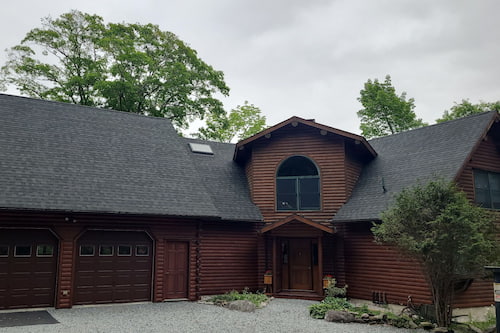 Damage needs urgent attention when water is entering the wall, or large sections have come loose. Missing panels that expose underlying materials to ongoing rain also warrant prompt assessment.
Damage that shouldn’t be postponed
A missing section can expose the underlying wall to direct weather. If the protective barrier has also been damaged, additional rainfall may reach moisture-sensitive materials. Water entering around windows or doors deserves particular attention because it can spread into concealed wall areas. Large loose sections can also become a safety concern when strong winds threaten to detach them entirely.
What happens when repairs are delayed?
Continued exposure to rain can allow moisture to reach more of the underlying wall, increasing the amount of work required. We can determine whether immediate protection is needed and identify the components that may require replacement. During a professional siding inspection, we also examine the surrounding materials to identify potential issues before recommending the appropriate repairs.
Who can I contact for reliable siding repair near me?
At Horch Roofing, we provide siding repair and replacement services for homeowners dealing with damaged or deteriorating siding. Our team evaluates the affected areas and recommends work based on the condition of your home’s exterior.
We handle vinyl siding repairs and more extensive replacement projects when necessary. Our process begins with an assessment of the existing materials, followed by a discussion of the proposed work and available options.
Whether you live near Bug Light Park or elsewhere in South Portland, we’re ready to help you determine what needs attention. Contact us today to arrange an assessment and address damaged sections before further deterioration occurs.