
A roof is more than just a layer over your home—it’s a critical part of protecting your property from the elements. Over time, even the highest-quality systems experience wear, and knowing what to look for can save you from costly repairs or early replacement.
For residents in Bristol, Maine, weather, material type, and installation quality all play a role in how a roof ages. If you’re searching for a local roofing contractor, understanding how these systems change over time can help you make informed decisions, spot potential issues early, and plan for a smooth installation or replacement.
In today’s blog, we’ll walk you through how to check your roof’s condition, when it might be considered old, and the signs it’s time for a replacement. Keep reading to learn more!
What is a new roof supposed to look like?
Before you can understand how a roof ages, it helps to know what a properly installed, brand-new one looks like. Knowing this baseline makes it much easier to spot issues down the road and ensures you can verify that your investment was installed correctly.
Clean, even surfaces
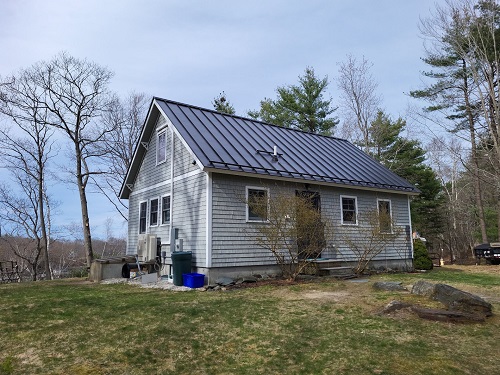
A new roof should appear uniform from edge to ridge. Shingles or panels lie flat, lines are straight, and there are no gaps or uneven areas. Variations can indicate rushed installation, inferior materials, or errors that may shorten its lifespan. A result that looks neat and even isn’t just about aesthetics. It’s a sign that the layers will shed water efficiently and resist wind damage.
Secure and properly fastened
All components, including flashing, vents, and ridge caps, should be tightly secured. Nails or screws are correctly placed, and no pieces are loose. Proper fastening not only ensures durability but also prevents problems like recurring leaks or shingles failing prematurely. This is why the skill of your installation crew matters just as much as the materials you choose.
No signs of wear or discoloration
Fresh materials should have consistent color and texture. Any patches, scratches, or granule loss can signal damage during installation or handling. Subtle color changes or streaking on new shingles may indicate defects in the manufacturing process, which can become bigger problems if ignored.
Crisp edges and trim
Drip edges, fascia, and soffits should align neatly with the roofline. Attention to these details contributes to both aesthetics and long-term protection. Properly finished edges help prevent water from seeping under shingles or damaging the deck over time.
How to tell if a roof is in good condition?
Even a few years after installation, a roof can remain in excellent shape if well-built and maintained. Understanding the signs of a healthy roof helps you catch issues before they escalate.
Visual inspection
Have a professional look for:
- Straight, intact shingles with no curling or lifting
- Consistent color with minimal granule loss
- Secure flashing around chimneys, vents, and valleys
Routine visual checks done by an expert, especially after storms, can alert you to minor issues before they turn into major problems.
Signs of underlying issues
Even when everything looks fine on the surface, hidden problems can exist. Watch for:
- Moisture spots in the attic or ceiling
- Mold or mildew near penetrations
- Unusual sagging or dips in planes
These subtle signs often point to slow-developing leaks or ventilation problems. Detecting them early can save thousands in repairs later.
Maintenance and care
Consistency is key here. Regular inspections and minor repairs prolong your roof’s lifespan. You should schedule check-ups during spring and fall to ensure it can handle the area’s seasonal weather and reduce the likelihood of emergency repairs.
A well-maintained roof also allows your household to continue its normal routines more easily, without the disruption that comes from improper project planning, emergency repairs, or unchecked damage. Paying attention to maintenance schedules ensures both the safety and comfort of your home.
How many years is a roof considered old?
The “age” of a roof depends on the materials used, the quality of installation, and environmental conditions. While there’s no exact cutoff, understanding general lifespan ranges can help you plan ahead.
Typical lifespans
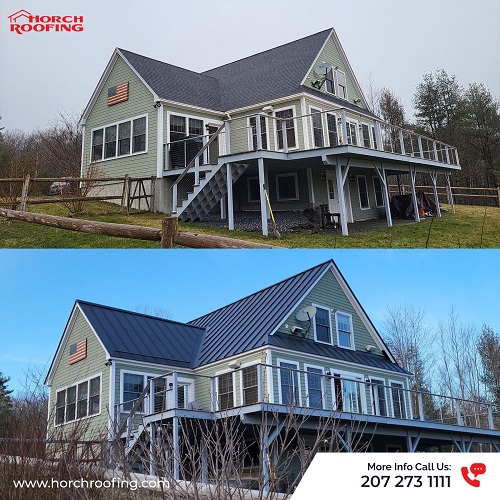
- Asphalt shingles: 15–30 years, ideal for budget-conscious projects and most climates
- Metal sheets: 40–70+ years, strong against extreme weather, and long-term durability
- Clay or concrete tiles: 50–100 years, suited for hotter climates and Mediterranean-style homes
- Natural slate: 75–200+ years, offering luxury, historic appeal, and maximum longevity
- Wood shakes/shingles: 15–40 years, providing rustic aesthetics in moderate climates
- Synthetic/composite: 20–50+ years, replicating premium looks with less weight
These numbers are averages. Actual lifespan can still vary depending on the quality of the installation, exposure to weather, and maintenance.
Factors that accelerate aging
Weather extremes, poor ventilation, or improper installation can shorten a roof’s life. These issues emphasize how poor workmanship shows up years later, often as leaks, curling shingles, or accelerated wear. Understanding these risks can guide your choice of contractor and materials.
Planning for replacement
Knowing when your roof is approaching the end of its useful life allows you to budget and schedule a replacement smoothly. Early planning also gives you time to consider materials, design, and installation teams. Factoring in these details can make the process more predictable and manageable.
What does a roof look like when it needs to be replaced?
Recognizing the signs that a roof has reached the end of its life can prevent costly damage to your home.
Visible damage
- Missing, cracked, or curling shingles
- Exposed fasteners or loose flashing
- Sagging or uneven areas on the surface
Water-related issues
Leaks, ceiling stains, or mold growth often indicate the roof is no longer watertight. Addressing these early prevents structural damage and interior issues.
Overall wear and tear
Even if no immediate leaks appear, older roofs may show:
- Significant granule loss on shingles
- Faded or inconsistent coloring
- Worn edges along eaves or valleys
Considering replacement proactively can help you avoid last-minute stress and ensure you have options for materials, design, and installation that fit your home and budget. And it’s why understanding the factors that affect the cost of a new roof can allow you to make smarter choices when it’s time to invest in your home’s protection.
Where in Bristol can I find a professional roofing contractor near me?
If you’re wondering who to trust with your home, Horch Roofing is a top choice for residents in the area. Since 2003, our team has delivered reliable roofing and gutter services with a focus on quality, safety, and craftsmanship. From asphalt shingles to EPDM rubber roofing, we handle every single project we take on with the same level of care and expertise.
So if you live near New Harbor or elsewhere in Bristol, we can manage every step of the job, from initial inspection to final cleanup. We ensure your home remains safe and functional throughout the project, and our team is always available to answer questions or provide guidance. Contact Horch Roofing today to schedule a free estimate and see why so many local homeowners rely on us for our professional services!