
Maine’s coastal towns are no strangers to unpredictable weather, with high winds, steady rain, and salt in the air that can slowly wear down even the most resilient structures. Yet many homeowners in St. George delay roof repairs for small issues, often because they assume the work can wait until the weather improves. Unfortunately, that delay is often what turns a simple patch job into a costly restoration.
But what exactly happens if you neglect those minor roof repairs? Keep reading to learn what qualifies as a minor issue, why prompt attention matters, and how timing can be the difference between a quick fix and an expensive overhaul.
What is considered a minor roof repair?
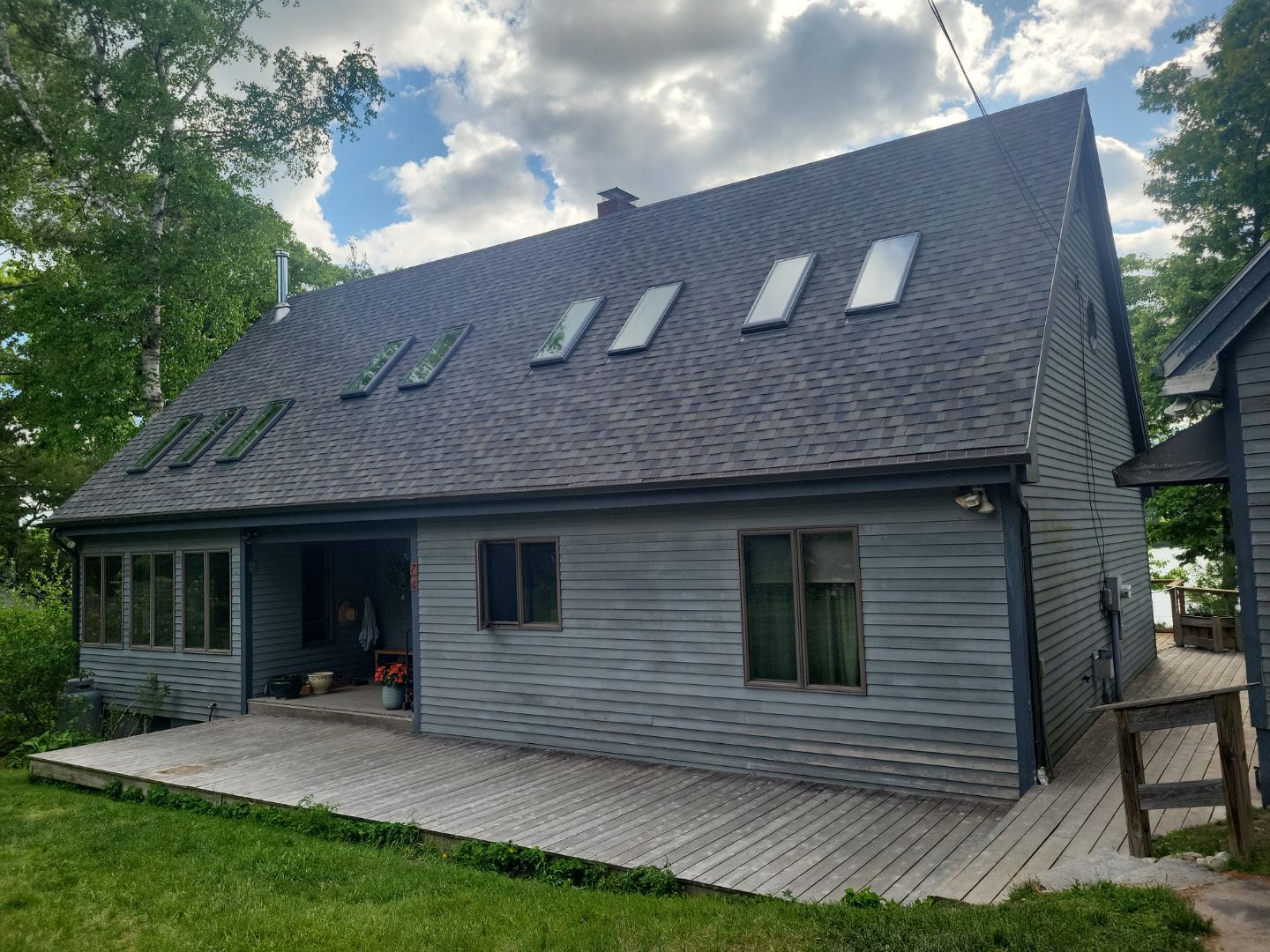
When professionals refer to “minor” repairs, they mean issues that haven’t yet compromised the overall structure. These concerns may seem cosmetic, but they often point to early wear or damage that can quickly spread and become major if you don’t address them promptly. Whether you’re handling roofing as a first-time homeowner or simply haven’t paid much attention to these details before, here are some common examples of minor issues worth taking seriously:
1. Loose or missing shingles
A few missing or cracked shingles might not seem like a big deal, but even small gaps let water sneak into the layers underneath. Once moisture gets to the underlayment or sheathing, it can spread quickly and cause rot you won’t be able to see. Fortunately, professionals can usually swap out individual shingles and reseal the trouble spots without tearing up the whole system.
2. Minor flashing damage
The thin metal strip around chimneys, vents, and roof valleys, known as flashing, protects the most vulnerable points of the system, but it’s also where water likes to collect. When it lifts or starts rusting, water slips right underneath. If you catch it early, an expert can reattach or simply replace that section to save you from interior leaks down the road.
3. Small punctures or cracks
Windblown branches, hail, or even animals can poke small holes in your roof that you’d never spot from your driveway. Unfortunately, any cracks or openings can still let water in, no matter how small. But an experienced technician can help seal them quickly, so you should always react before they turn into a bigger issue.
4. Gutter & drainage issues
Clogged or sagging gutters are easy to ignore, but they can lead to major problems. When water has nowhere to go, it backs up under your roof edges and starts rotting the wood or staining your siding. To prevent this, clean them out at least seasonally, get any sections pulling away from the house fixed, and consider adding leaf guards.
What happens if you don’t fix your roof quickly?
When repairs start seeming optional, remember that small roof problems usually don’t stay small for long. The only way to help your system last longer and resist wear effectively is to correct any issues as soon as possible. Neglected roofing issues can lead to:
1. Rising repair costs
What starts as a quick fix can escalate into a large-scale restoration project. A loose shingle usually won’t cost much to replace, but if water seeps into insulation or sheathing, you’ll need to replace entire sections. Once structural elements are compromised, labor and material costs multiply fast.
2. Hidden structural damage
The real danger of putting off small repairs is the damage you can’t see. Water never sits in one spot, it travels along joists, fasteners, and decking. Over time, wood softens and loses its strength, and that’s when you start seeing sagging, water stains on your ceiling, or worse. Fixing problems early keeps your system’s frame solid.
3. Energy loss and comfort issues
Water damages structures, but it can also reduce the efficiency of your insulation. Wet insulation stops doing its job as effectively, which means heat escapes in winter and seeps in during summer. As a result, you could be dealing with higher energy bills and a house that never feels quite comfortable. Timely repairs protect both your wallet and your indoor temperature.
4. Health concerns from mold growth
Trapped moisture creates an environment that’s dark, damp, and difficult to access, which means it’s ideal for mold. Once spores take hold inside ceilings or walls, they spread quickly and release allergens and irritants that affect everyone in the home. If you notice any musty smells, respiratory discomfort, or allergy symptoms that won’t let up, you should react promptly.
5. Emergency expenses
Ignored problems often turn into emergencies at the worst possible moment, typically during harsh weather or at times when standard repair services are unavailable. Emergency solutions can only stabilize the situation until conditions improve, and they usually cost significantly more. Taking care of small issues promptly saves both stress and money.
How long can a roof leak before damage?
A leak starts causing damage the moment water gets in. By the time you notice stains on your ceiling, bubbling paint, or that musty smell, the problem has already been working behind the scenes for weeks. Moisture reaches your insulation and framing within days of the first breach. If you leave it alone for months, slow decay can turn into structural rot.
How fast parts will deteriorate depends on the roof material you’ve chosen, slope, ventilation, and how much water is getting through. Winter also has a huge impact on your roofing and any leaks, no matter how small. When water seeps into cracks and freezes, it’ll also expand and tear the opening wider with every freeze-thaw cycle.
Professionals often find the worst damage in spots you’d never think to check, like behind flashing, around chimneys, or tucked under attic insulation. If you think water might be getting in, don’t wait. Any repairs now cost a fraction of what you’ll pay to rebuild framing later. Reacting quickly is the only way to stop a small problem from becoming a big one.
Which professionals are St. George’s top choice for roof repairs?
At Horch Roofing, we’ve built our reputation on quality workmanship and dependable solutions throughout the region. When you spot a potential issue, our repair and dispatch service is ready to help at any time. Our team provides thorough inspections and honest assessments so you know exactly what your home needs.
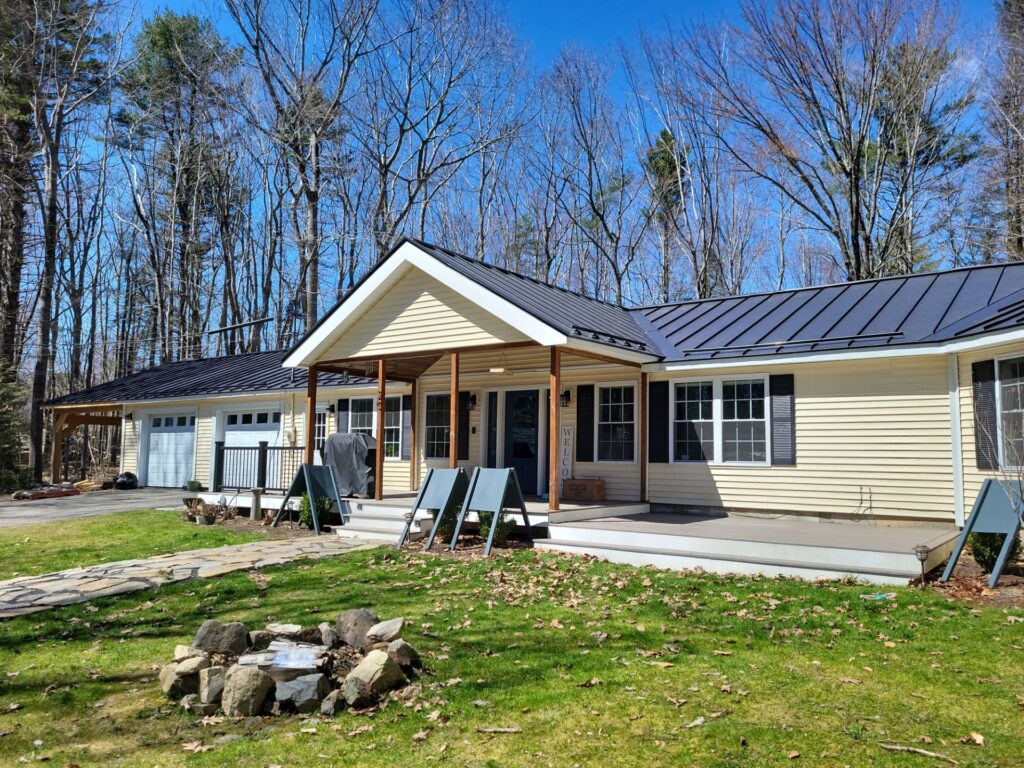
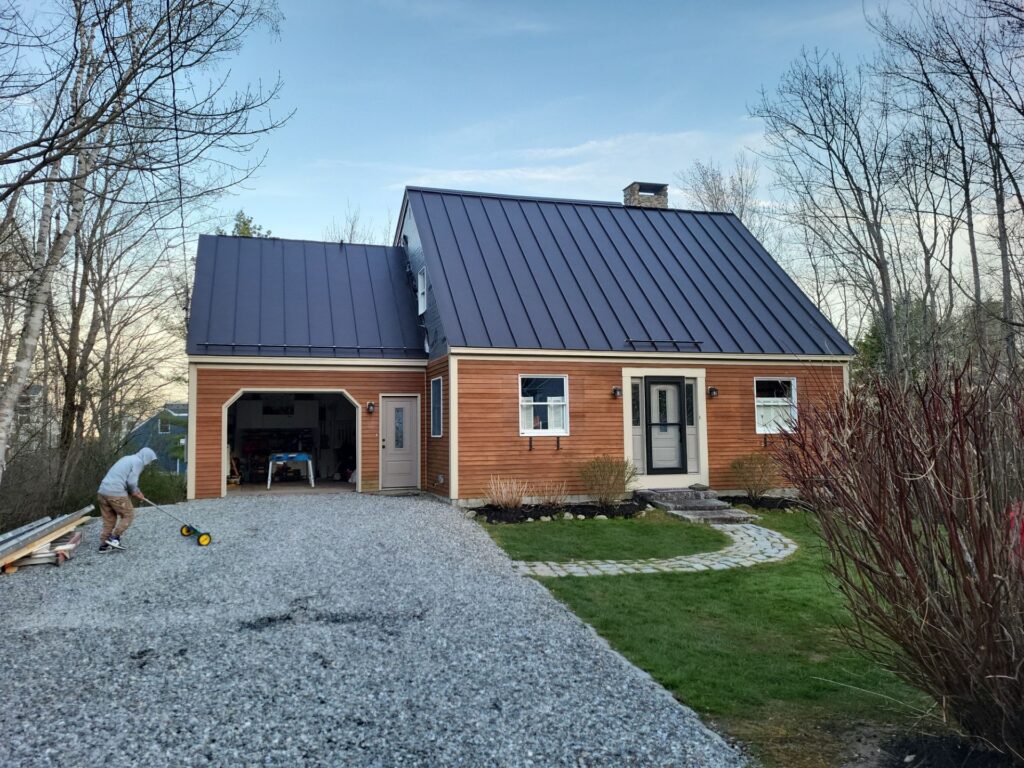
In addition to repairs, our experienced crew handles everything from asphalt shingle replacement to standing-seam metal installations and EPDM systems for low-slope surfaces. You can also count on us for seamless gutters that keep your drainage running properly.
From Port Clyde to the furthest corner of St. George and beyond, we’re prepared to restore strength and stability wherever you need us. Call today to get the expert care your property deserves.