
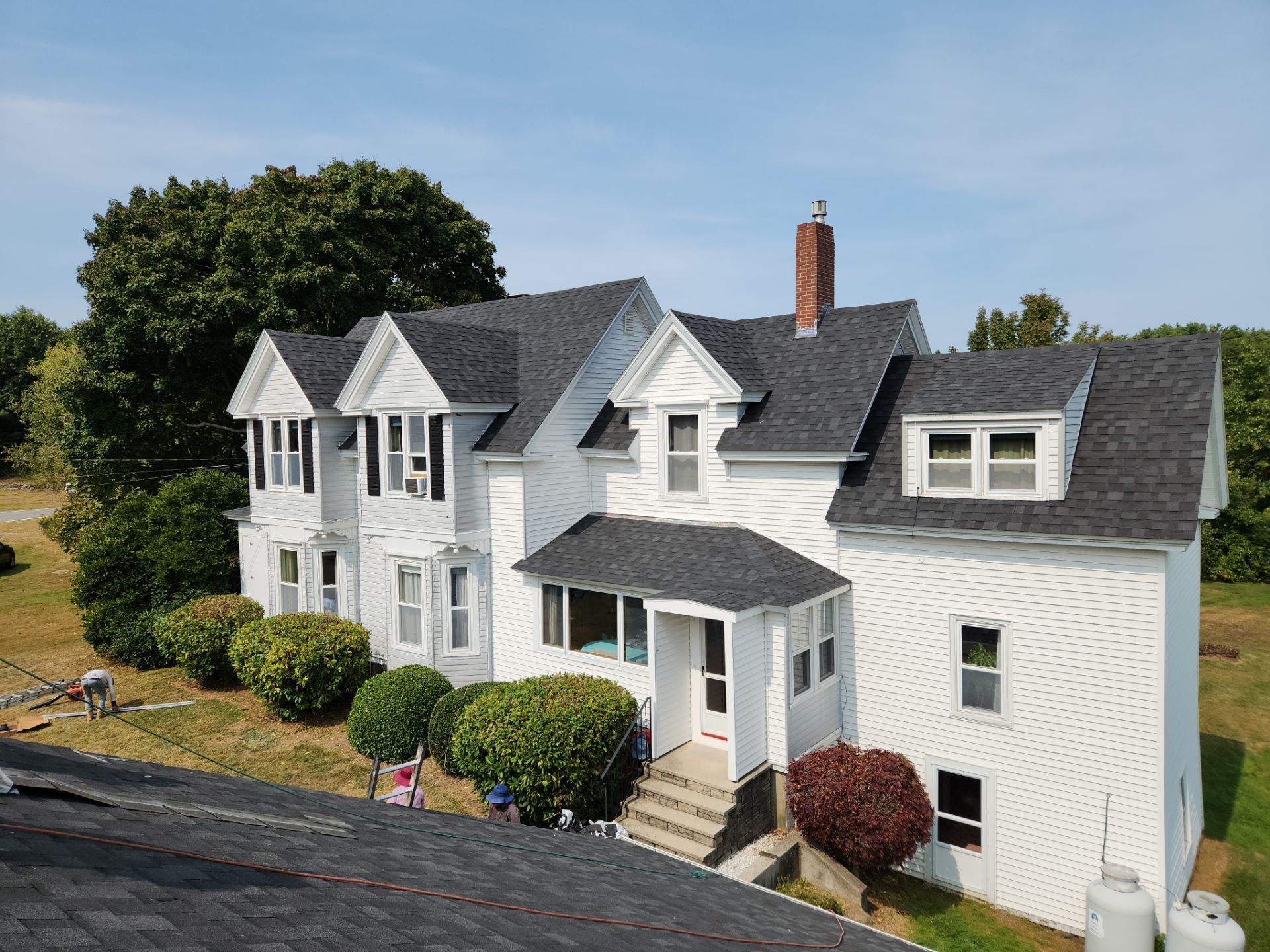
A home’s exterior has many places where different materials meet. Windows meet siding. Doors meet wall sections. Roofline boards meet gutters, soffits, and fascia. Those transition points need clean coverage because wind-driven rain can find small openings quickly. That is why trim work matters for more than appearance. Done well, it helps close the gaps where moisture, drafts, and pests can reach the layers underneath.
Join us as we discuss how exterior details protect a home, why window surrounds matter, when it makes sense to use them, and which materials tend to perform better in exposed locations.
What does trim actually do?
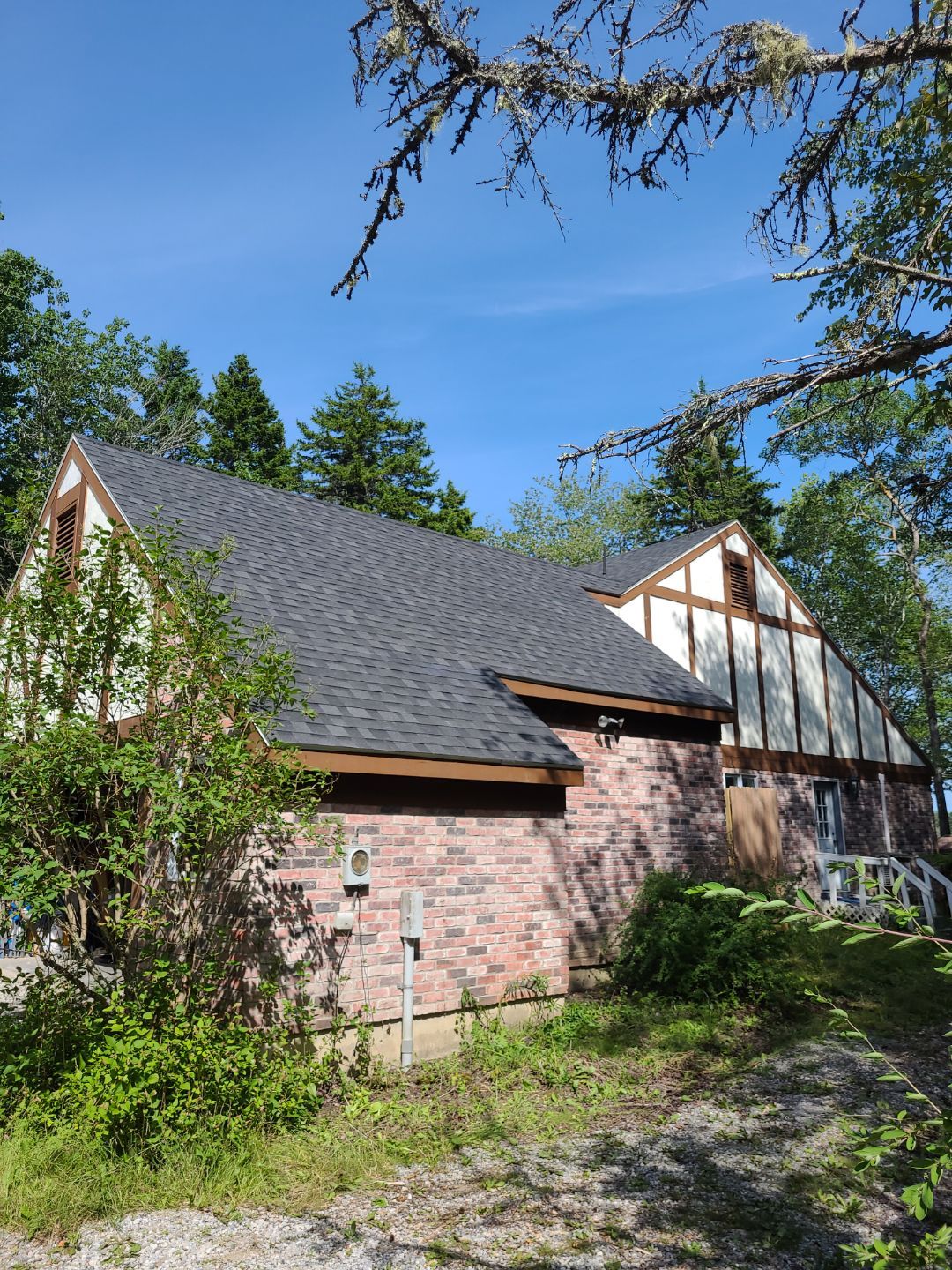
Exterior finish carpentry covers and finishes the joints where building materials meet. It helps create clean edges around windows, doors, rooflines, corners, and other transitions.
It protects vulnerable seams
The most important job is coverage. Where two materials meet, there is usually an edge, gap, or joint that needs protection. A properly fitted board or profile helps shield that seam from direct exposure.
This matters because moisture often enters at weak points rather than through the middle of a wall. A small opening around a window or roofline can allow dampness to move behind siding or into nearby wood. Once that happens, paint failure or rot may follow.
It supports the exterior’s drainage pattern
Good exterior work does not trap rain. It helps direct it away from openings and toward surfaces designed to shed it. That means the cut, angle, placement, and flashing relationship all matter.
A board that looks fine from the street may still create trouble if it holds runoff against the wall. Professional installation focuses on how the detail functions in real weather, not only how it looks after painting.
It improves the finished appearance
Protection comes first, but appearance still matters. Well-fitted exterior profiles create shadow lines and give the home a more complete look. On older properties, matching the depth or shape of an existing piece can help preserve character without forcing a modern shortcut into a historic exterior.
What are the benefits of exterior window trim?
Window surrounds help protect one of the busiest transition points on a home. Each window interrupts the siding and creates several joints that need reliable coverage.
They help cover exposed edges
A window opening has edges along the top, sides, and bottom. If those edges are poorly covered, rain can reach behind surrounding materials. Properly fitted components help close those areas and create a stronger transition between the window unit and the wall.
This is especially important on homes that face coastal weather, where wind can push rain sideways and expose joints that might stay dry in milder conditions.
They make problems easier to spot
A clean surround can also make future issues more visible. Cracking paint, open seams, warped boards, or dark staining may show where moisture is moving or where a component has started to fail.
That is where small exterior failures can turn into bigger problems if homeowners wait too long. A narrow opening near a window may not look urgent at first, but it can create a path behind the surface.
They can preserve older home character
Older homes often have window details that were built for that specific structure. Replacing them with shallow stock boards can flatten the look of the house and leave odd transitions.
Made-to-fit work helps preserve original proportions where they matter. It also gives a carpenter a chance to correct weak connections that may have developed after earlier repairs.
Is it better to have trim or no trim around exterior windows?
Most homes benefit from a properly designed window surround. The better question is not whether the home should have one, but whether the existing detail fits correctly with the rest of the exterior.
Going without it can expose transitions
Some modern systems use different installation methods, but older and traditional homes usually rely on visible exterior profiles around openings. Removing those pieces without redesigning the surrounding wall can leave edges exposed or unfinished.
A window needs a complete weather-management plan. If a home was built to use exterior boards around the opening, removing them can create gaps the original system was never meant to handle.
Poorly fitted pieces can be worse than simple ones
A detailed surround is not automatically better. If boards are loose, too thin, poorly sealed, or cut with open joints, they may invite the same moisture concerns they are supposed to prevent.
Homeowners should watch for:
- Pieces pulling away from the siding
- Soft wood near corners or lower edges
- Paint that fails repeatedly in the same area
- Gaps that reopen after sealing
- Staining below the opening
These signs can help determine whether a repair or replacement makes more sense. A small section may only need attention at one joint, while widespread softness can point to a larger problem.
What is the best material for exterior house trim?
The best material depends on the home, exposure, desired appearance, and maintenance expectations. No single option fits every property, especially in a climate where rain, freeze-thaw cycles, and salt air can affect exterior components.
Wood can work when it is detailed correctly
Wood remains common because it can be shaped and finished to suit older homes. Cedar and other durable species may perform well when installed correctly and maintained over time.
The downside is that wood needs protection. Open end grain, failed paint, poor flashing, or trapped moisture can shorten its service life. If a homeowner wants to preserve a historic look, wood may still be the right option, but it should not be treated like a low-maintenance material.
Cellular PVC resists rot
Cellular PVC does not absorb moisture the way natural wood does, which makes it useful in exposed areas. It can be a strong option for locations that see repeated dampness.
Still, installers need to account for movement, fastening, and the surrounding design. A moisture-resistant material will not fix a bad joint or an opening that lacks proper drainage.
Composite and engineered options may fit some homes
Some composite or engineered products offer a balance between durability and appearance. They may function well when the profile, thickness, and finish align with the rest of the exterior.
The right choice should account for the project’s purpose. A visible front elevation on an older house may call for a different material than a simpler back entry. This is why choosing durable exterior materials for a coastal home should start with exposure and fit, not just product labels.
How can you tell when exterior details need attention?
A quick walk around the property can reveal early warnings. Look closely after storms or during spring maintenance, when worn materials often stand out.
Pay attention to:
- Boards that feel soft when gently pressed
- Joints that have opened near windows or doors
- Peeling paint that returns after repainting
- Dark streaks below corners or roofline transitions
- Pest activity near gaps or softened areas
- Pieces that no longer sit flat against the home
These signs do not always mean the entire area needs replacement. They do mean a professional should inspect the connection before moisture reaches more of the structure.
Who should I call for top-quality trim work near me in South Portland, ME?
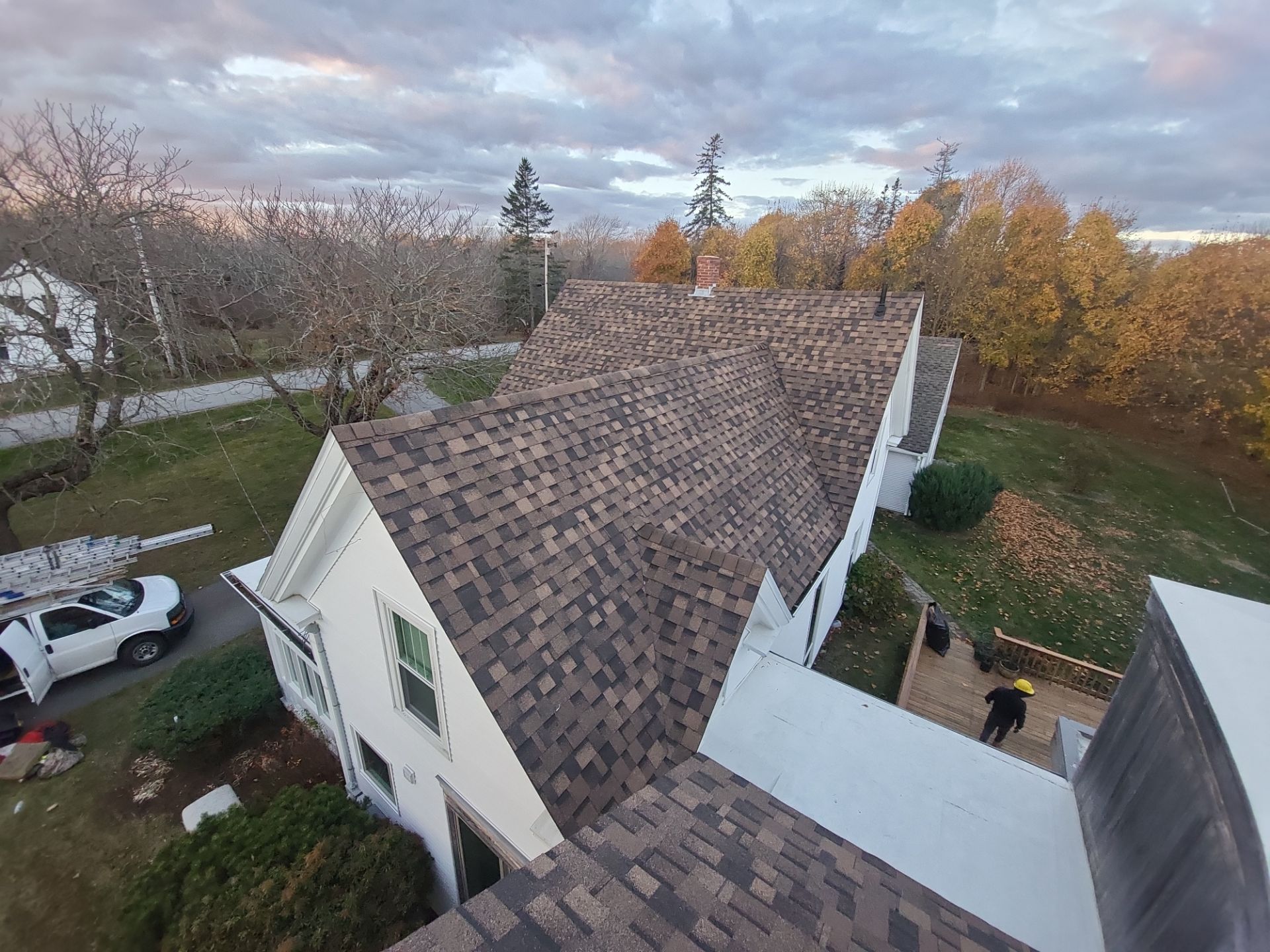
Horch Roofing helps homeowners protect the exterior details that keep water and drafts out of a coastal home. We start every trim work project by inspecting the actual problem area, so we can tell you whether the existing section failed from age, moisture, movement, or a poor fit before recommending what to do next. Our team also handles roofing, siding, fascia, gutters, and windows, so we can look beyond the visible board when the issue runs deeper. Whether your home is near Portland Breakwater Light or elsewhere in South Portland, reach out for a free estimate and a clear path forward.