

Maine winters bring a level of cold, snow, and shifting temperatures that many roofs struggle to handle. One of the most common problems homeowners face during this season is the formation of ice dams. These thick ridges of ice may look harmless at first, but they can cause serious interior and exterior damage if left untreated.
Protecting your home starts with understanding what causes them, how they affect your roof, and what steps to take when they appear. Homeowners often look to professionals experienced with roofing in Damariscotta when winter conditions and ice dams become too severe to manage alone.
What causes ice dams on roofs?
Ice dams usually start with uneven temperatures across the roof’s surface. The warm parts of the roof cause snow to melt, and the colder edges cause that water to freeze again.
1. Heat escaping into the attic
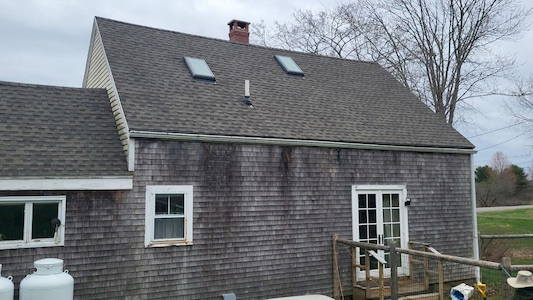
One main cause of ice dams is roof heat loss and ice dam formation. When warm air rises into the attic, it warms the roof deck and leads to melting snow. As the water flows downward, it freezes again once it reaches the cooler eaves. This repeating cycle gradually builds a solid ridge of ice.
You may notice this more often if your attic feels warmer than the outdoor temperature. Even small gaps or drafts can raise the temperature enough to begin the melting process.
2. Insulation and ventilation problems
Poor insulation often works hand in hand with attic insulation and ventilation issues. When insulation is thin or uneven, heat escapes from the living space below and warms portions of the roof. Without proper airflow to regulate temperature, warm and cold spots form quickly.
Typical signs include:
- Uneven melting on the roof
- Icicles forming along the edges
- Warm attic surfaces in the middle of winter
Addressing these issues early prevents much larger problems later.
3. Heavy snow accumulation
A thick layer of snow acts as insulation itself. This makes roof heat loss and ice dam formation more likely because the snow traps warmth rising from the home. The deeper the snow, the longer it takes for the roof to cool, increasing the risk of melt and freeze cycles.
4. Inconsistent roof temperatures
If your home has complex roof lines, dormers, or valleys, inconsistent temperatures are common. These areas often point toward attic insulation and ventilation issues because airflow is not evenly distributed. Little pockets of warmth can melt snow faster in those areas.
How do ice dams damage roofs?
Ice dams may start as a thin line of frozen snow, but once they grow, the effects can reach deep into the home. The real danger comes from water that has nowhere to go.
1. Water backing up under shingles
Ice dams block water from running off the roof. This leads to water backup and shingle damage, which allows moisture to slip beneath the roofing surface. Once water lifts shingles or seeps through flashing, it can soak the roof deck and insulation.
Signs include:
- Stains on ceilings
- Peeling paint
- Water dripping through light fixtures
- Damp insulation in the attic
The longer the dam remains, the more water collects behind it.
2. Structural weakness from prolonged moisture
Moisture trapped beneath shingles can cause wood rot, mold growth, and weakened rafters. These conditions contribute further to water backup and shingle damage, making future storms even more destructive.
3. Damage to gutters and downspouts
Ice dams become heavy quickly. That weight strains gutters, pulling them away from the roofline. When snow refreezes in the gutters, it expands and causes cracks or deformation. These issues lead to future drainage problems and allow more ice to form.
How to keep ice dams from forming on the roof?
Prevention is the most effective way to protect your home from winter damage.
1. Improve insulation and ventilation
Strengthening both insulation and airflow helps address ice dam prevention strategies. A well insulated attic keeps warm air where it belongs rather than heating the roof deck. Good ventilation helps regulate temperature and prevent warm pockets that lead to melting.
Helpful steps include:
- Adding insulation above living spaces
- Installing soffit or ridge vents
- Sealing air gaps around pipes and fixtures
These actions significantly reduce heat transfer.
2. Remove snow safely
Clearing snow from the roof edge reduces the risk of freezing along the eaves. Proper roof snow removal techniques prevent the heavy buildup that encourages ice dams. Professionals often use tools designed to protect shingles while lowering snow levels.
3. Maintain consistent temperatures throughout the attic
Temperature consistency prevents the warm center and cold edge pattern that forms ice dams. This approach pairs well with ice dam prevention strategies, since both focus on eliminating uneven heat distribution.
4. Inspect problem areas before winter
Homes with complex roof shapes often need extra attention. Regular inspections reveal issues like loose shingles, poor insulation, or inadequate ventilation before snow arrives
How to get rid of ice dams on your roof fast?
Prevention is the most effective way to protect your home from winter damage.
1. Improve insulation and ventilation
Strengthening both insulation and airflow helps address ice dam prevention strategies. A well-insulated attic keeps warm air where it belongs rather than heating the roof deck. Good ventilation helps regulate temperature and prevent warm pockets that lead to melting.
Helpful steps include:
- Adding insulation above living spaces
- Installing soffit or ridge vents
- Sealing air gaps around pipes and fixtures
These actions significantly reduce heat transfer.
2. Remove snow safely
Clearing snow from the roof edge reduces the risk of freezing along the eaves. Proper roof snow removal techniques prevent the heavy buildup that encourages ice dams. Professionals often use tools designed to protect shingles while lowering snow levels.
3. Maintain consistent temperatures throughout the attic
Temperature consistency prevents the warm center and cold edge pattern that forms ice dams. This approach pairs well with ice dam prevention strategies, since both focus on eliminating uneven heat distribution.
4. Inspect problem areas before winter
Homes with complex roof shapes often need extra attention. Regular inspections reveal issues like loose shingles, poor insulation, or inadequate ventilation before snow arrives.
How to get rid of ice dams on your roof fast?
Once an ice dam forms, homeowners should act quickly to prevent water damage. Removing ice safely requires patience and the right tools.
1. Hire professionals for steaming
The most effective and safest method is to use professional ice dam steaming services. Steam melts the ice without harming shingles, roofing materials, or gutters. It is much safer than hacking or chipping at the ice. This method is especially valuable during severe storms when dams form repeatedly.
2. Create drainage paths
Professionals sometimes carve small channels to allow water to escape. These openings relieve pressure behind the dam. This technique is one of several emergency ice dam removal tips used to protect the home until a full melt occurs.
3. Remove snow to prevent refreezing
Clearing snow from the upper part of the roof reduces the source of melting. Many roof snow removal techniques focus on removing just enough snow to stop the cycle rather than stripping the roof completely.
4. Avoid DIY chipping or harsh chemicals
Some homeowners try to break ice manually, but this increases the risk of damaging shingles. Instead, rely on experts familiar with professional ice dam steaming services who can remove the ice without harming the roof.
5. Use temporary measures during emergencies
When immediate help is unavailable, professionals may provide emergency ice dam removal tips that offer short-term relief. These measures are not long-term solutions but help prevent significant damage during storms.
Who can I trust for dependable roofing in Damariscotta and the surrounding area?
 When heavy snow, ice buildup, or winter storms threaten your roof, Horch Roofing is here to keep your home safe. We handle ice dam removal, winter inspections, and structural protection with careful techniques that prevent further damage and restore your peace of mind. With experienced crews, reliable equipment, and a full understanding of Maine’s winter conditions, we respond quickly and make sure your roof is protected through every freeze and thaw cycle.
If you want to better understand your roof and how winter affects it, we can explain why so many winter roofing myths mislead homeowners, how metal and asphalt roofs perform in Maine’s toughest weather, and the full process of managing a winter roofing emergency when damage appears unexpectedly, giving you clearer guidance for the season ahead. From the house next to the Whaleback Shell Midden to the rest of Damariscotta, we’re here for you. Call today to schedule your winter roof assessment and get expert help when it matters most!