
Many homeowners only start researching roofing contractors in Bristol after they notice something unusual overhead. A stain appears on the ceiling. Shingles begin to curl earlier than expected. Flashing separates in a place that looked clean and tight not long ago.
If these issues keep appearing, they may be pointing to something deeper: the original installation may not have been done correctly. Poor workmanship rarely announces itself immediately. Instead, it surfaces slowly, often years after the project was completed. Read on to learn how to recognize long-term signs of improper roof installation, what visual clues to look for, and how to protect your home from avoidable structural issues.
How can you tell if a roofing job is done badly?
The answer usually lies in performance before appearance. Structural shortcuts often reveal themselves through recurring problems rather than obvious cosmetic flaws. When installation lacks precision, the system struggles under normal seasonal stress.
Several warning signs tend to surface at different stages of your roofing system’s lifespan, but these usually show within the first few years:
Early leaks or recurring moisture
Moisture problems often serve as the first indicator of poor craftsmanship. Even minor water intrusion signals that something failed during installation.
Common signs include:
- Recurring ceiling stains: Water marks that reappear after repairs suggest flashing or underlayment errors.
- Drips after moderate rain: Leakage during average weather often points to improperly sealed penetrations.
- Ice dam repetition: Persistent winter buildup can indicate a ventilation imbalance or insufficient barrier placement.
When moisture returns despite patchwork repairs, the underlying issue often traces back to improper installation rather than isolated damage.
Surface irregularities that affect performance
Not all flaws look dramatic, but subtle inconsistencies matter. When materials do not align properly, they weaken the system’s ability to shed water efficiently.
Watch for:
- Uneven courses: Crooked or drifting shingle lines may signal rushed layout work.
- Improper staggering: Repeating vertical seams increases vulnerability to wind-driven rain.
- Exposed fasteners: Visible nail heads can allow water infiltration over time.
These issues may appear cosmetic at first glance, yet they often compromise long-term durability.
Premature material wear
High-quality materials should perform for decades under proper installation. When deterioration appears early, installation errors often contribute.
Indicators include:
- Granule loss within a few years: Excessive shedding can result from incorrect fastening or poor ventilation.
- Curling edges: Improper alignment or inadequate underlayment support may lead to warping.
- Nail pops: Fasteners that back out frequently suggest incorrect placement depth or spacing.
When materials age unevenly or too quickly, installation technique often plays a decisive role.
What does a bad roof installation look like?
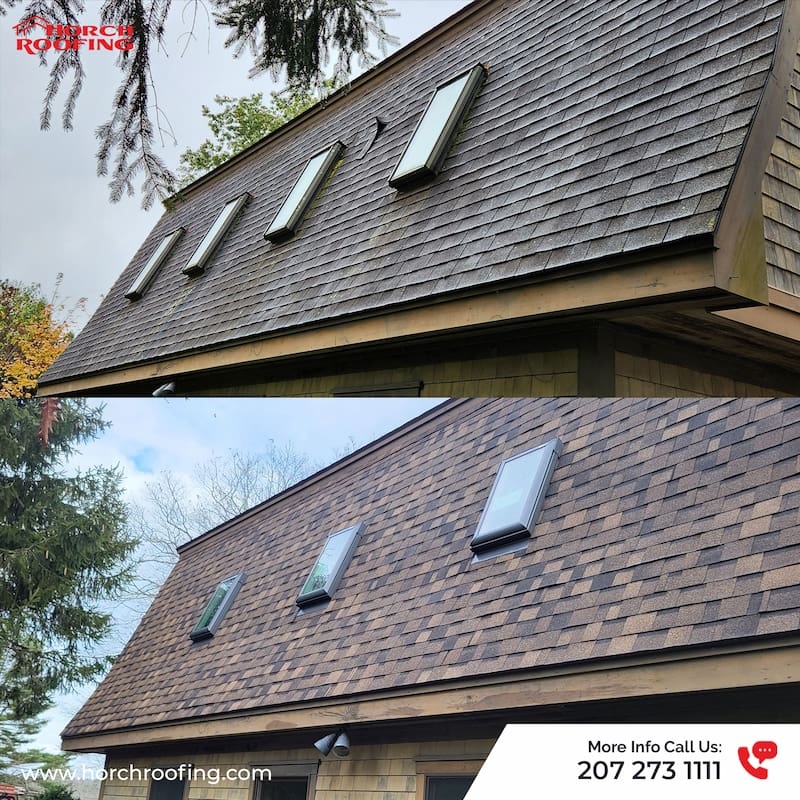
In many cases, visual clues appear long before structural failure occurs. Careful inspection from ground level can reveal whether the finished product reflects precision or shortcuts.
Poor installation often shows up in visible inconsistencies such as:
- Wavy lines along the eaves: Straight edges indicate careful layout, while uneven lines suggest rushed work.
- Misaligned ridge caps: Ridge sections should form a clean, uniform line at the peak.
- Loose or lifted flashing: Metal components around chimneys and vents must sit tight and flush.
- Inconsistent shingle spacing: Gaps that vary in width create weak points for wind and moisture.
- Sloppy edge detailing: Drip edges and trim should align cleanly without visible distortion.
A properly installed system looks balanced and symmetrical. When alignment appears irregular or components seem loosely fitted, deeper structural weaknesses may exist beneath the surface. Appearance alone does not confirm failure, but visible flaws often correlate with underlying shortcuts.
How to make sure a roof is installed correctly?
How do you make sure a roof is installed correctly? Prevention always costs less than correction. While homeowners cannot supervise every step of installation, they can take deliberate measures to reduce long-term risk.
Start by focusing on process rather than price.
Confirm professional credentials and training
Installation quality depends on crew expertise. Certified teams follow manufacturer specifications closely and understand regional climate demands. Contractors who invest in ongoing education typically produce more consistent results.
Ask about fastening patterns and material specifications
Proper fastening determines long-term performance. Nail placement, spacing, and depth must follow strict guidelines. Incorrect patterns may not fail immediately, but they weaken structural integrity over time.
Request clarification on:
- Fastener placement standards
- Underlayment type and layering method
- Ventilation integration strategy
- Ice and moisture barrier placement
Clear answers reflect disciplined workmanship.
Ensure inspection and quality control steps exist
Reliable companies implement internal review procedures. A final walkthrough by a supervisor confirms alignment, fastening accuracy, and overall precision.
Ask whether the project includes:
- Structured inspection checkpoints
- Post-installation quality review
- Clear warranty documentation
Documented procedures reduce the likelihood of oversight.
Prioritize experience over shortcuts
Longevity in business often signals consistency. Contractors with years of experience in the region understand how seasonal conditions affect structural performance. They also develop streamlined workflows that eliminate common mistakes.
Choosing the right team at the outset dramatically lowers the chance of discovering hidden defects years later.
Why do some roofs fail years earlier than expected?
Why do some roofs fail years earlier than expected? In many cases, the materials themselves are not the problem. Instead, small installation shortcuts accumulate over time.
Failure often stems from:
- Improper flashing integration: Even minor gaps allow moisture infiltration under heavy wind-driven rain.
- Inadequate ventilation balance: Poor airflow traps heat and moisture, accelerating material breakdown.
- Thin or incorrectly layered underlayment: Without sufficient moisture barriers, the structure remains vulnerable.
- Rushed edge detailing: Corners and transitions require careful attention; shortcuts in these areas invite long-term issues.
These flaws rarely cause immediate collapse. Instead, they create gradual stress that surfaces after several seasonal cycles. By the time visible damage appears, corrective work may require more extensive repairs.
Understanding how workmanship affects longevity empowers homeowners to evaluate both new installations and aging systems more critically.
Who are the most trustworthy roofing contractors in Bristol, ME?
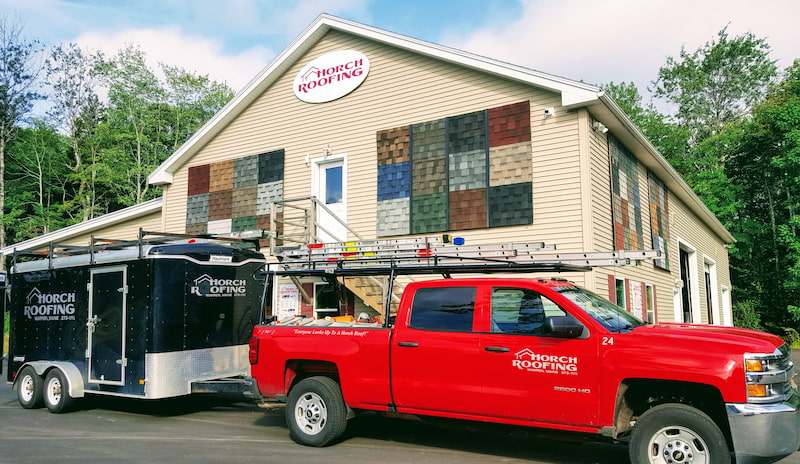
Horch Roofing has built its reputation on disciplined workmanship, certified crews, and installation standards that hold up year after year. Since 2003, we’ve delivered asphalt shingles, standing-seam metal, and EPDM rubber systems designed for Maine’s demanding weather, along with seamless gutters and reliable repair services that protect your investment long term.
We believe long-term performance starts with clarity. That’s why we walk you through the full scope of work, explain the total cost of roof installation in detail, and structure each roofing project to keep disruption to a minimum. Our commitment to safety training, quality control, and thorough inspections ensures shortcuts never compromise structural performance.
From properties overlooking Pemaquid Beach Park to homes throughout Bristol, we approach every project with precision and accountability. If you want craftsmanship that stands the test of time instead of revealing problems years later, reach out today to schedule your free consultation.